

You can often hear a common phrase: supposedly, the children of geniuses rarely inherit their talent. But in fact, this is complete nonsense. Everything is much simpler – not every “child with a star name” is able to keep up with the parent, whose fame thunders throughout the world. In the gaming industry, sequels often fall into the same trap: many projects are doomed to only bask in the reflected light of the original’s popularity. It would seem that new features, fresh gameplay, incredible graphics should cause delight. But a true fan often reacts the opposite way: the less the familiar formula changes, the louder the praise sounds. This view is not shared by all industry veterans, and that is why it is surprising to see how much Dawn of War 2 differs from its legendary predecessor.
Table of Contents
Warhammer 40,000: Dawn of War II Free Steam Account
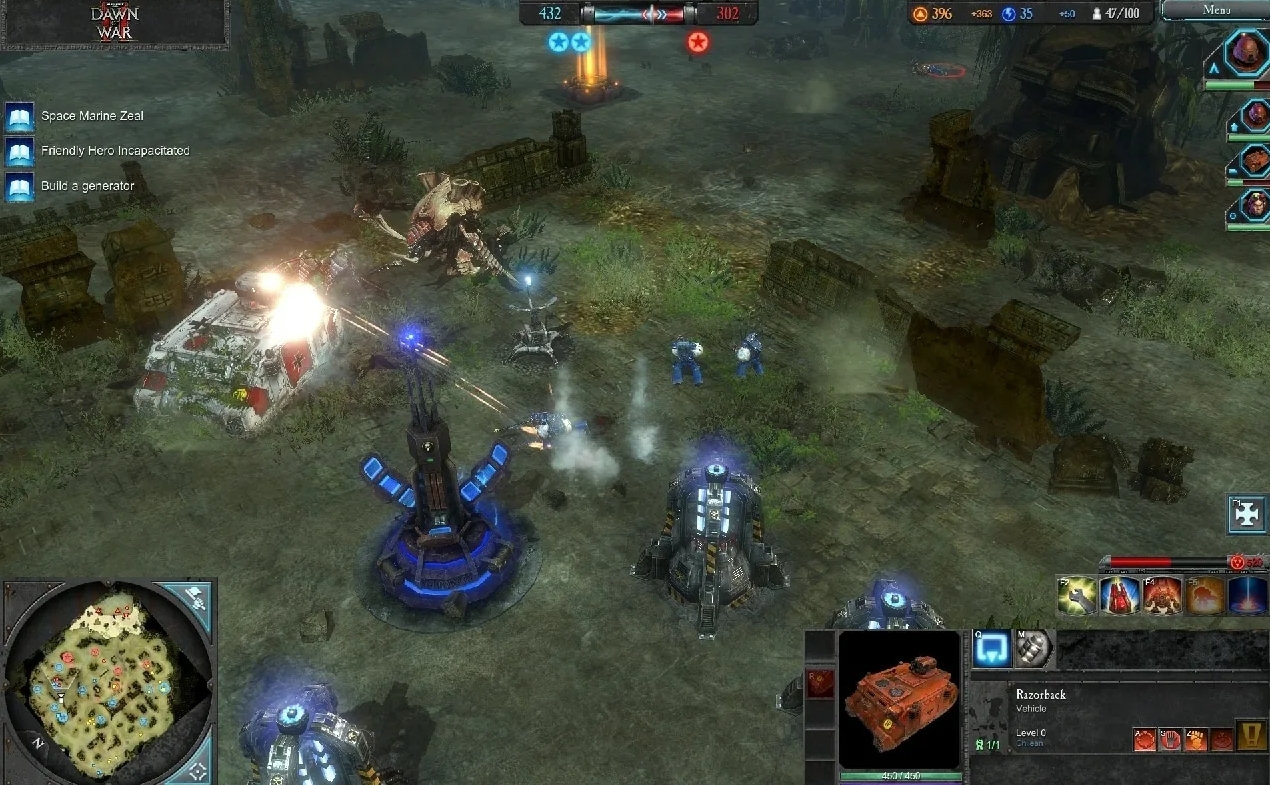
Dawn of War II was a turning point for the series. Relic decided to move away from the usual real-time strategy and shifted the focus towards tactical battles with RPG elements. The first to go was construction: no usual base, only turrets and mines. All those cozy houses from the first part seemed to have dissolved into the warp. The game does not try to be something like Total War – on the contrary, here the battles have become intimate, but no less intense. A dozen marines can save billions of lives, and the characters once again remind us of this. The Orks can still be contained without any problems, but why are the Eldar hanging around on the outskirts of the Imperium? Have even they fallen under someone else’s influence? Questions are piling up, and the answers will not come right away – the game deliberately holds a pause and throws in understatements.
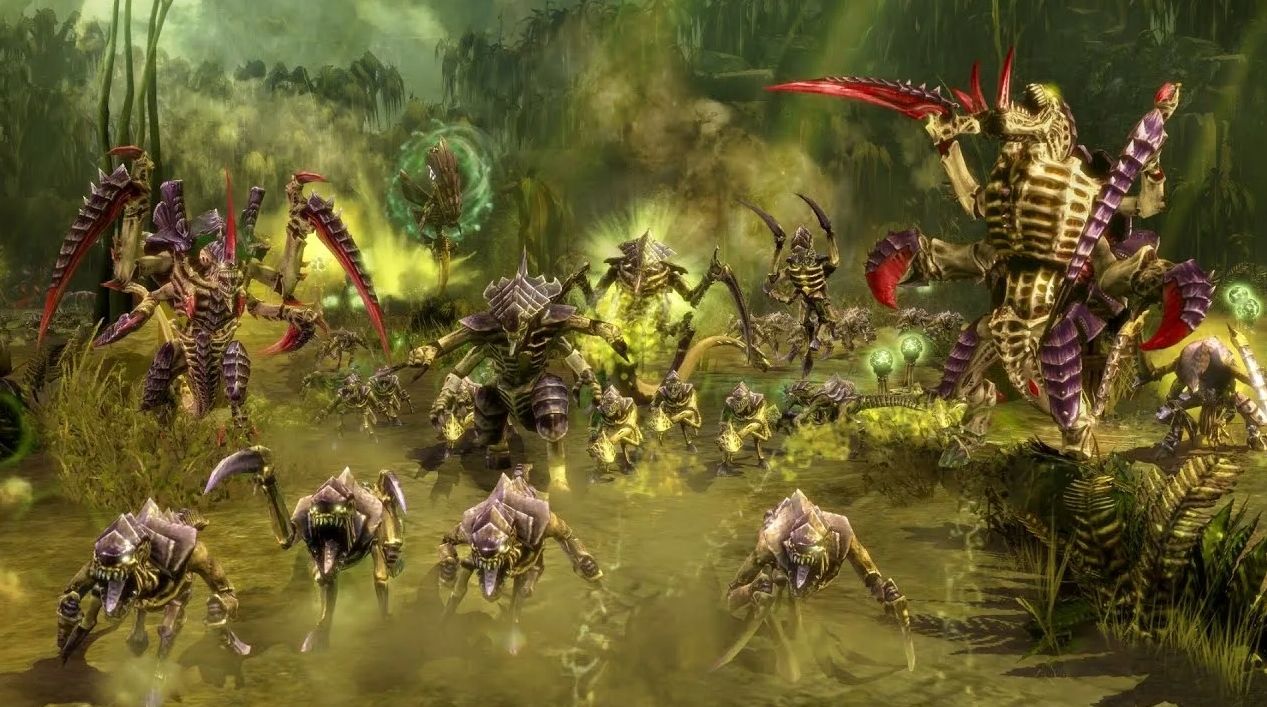
The main intrigue, however, was known even before the release: the Tyranids were added to the usual races. These “bugs” seem to have escaped from the screens of Starship Troopers or Alien – for them, eating a planet is like breakfast. Landing, processing all living things into biomass, loading onto the mother ship – and then on to the next victim. It sounds creepy, but instead of a tense plot and spectacular videos, we get long conversations in the spirit of “who? where? why?” The only real joy for fans is small but pleasant references. For example, the appearance of the legendary dreadnought Davian Thule, familiar from the previous parts. His return is a trifle, but the atmosphere only gets stronger from this.
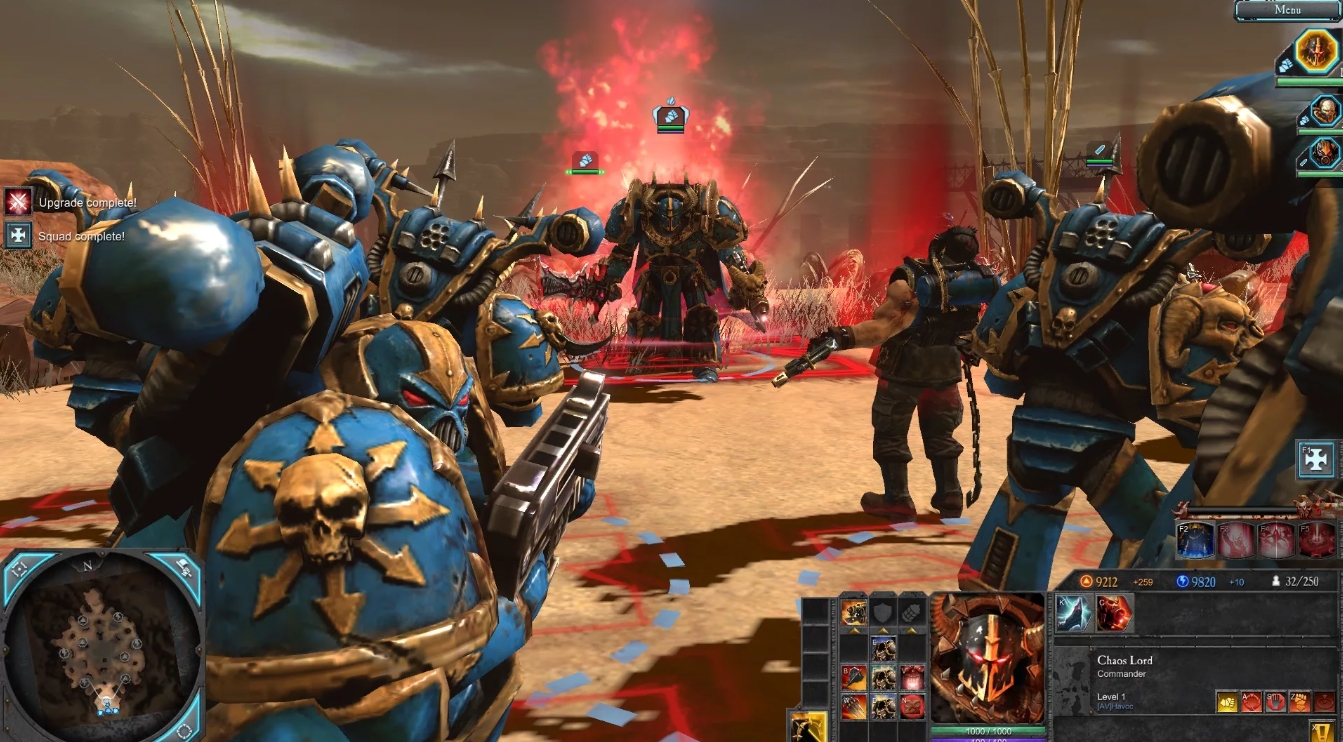
But the missions are a disaster. After Company of Heroes, something large-scale was expected, but in reality it more and more resembles a neat copy of Dark Crusade and Soulstorm. Only now there is no choice: we play exclusively for the “Blood Ravens”. Three planets, three main opponents and dozens of similar tasks. The scheme is simple: a capsule with troops falls into a hot spot, the cleanup begins. Screens are thundering from explosions, everything is covered in blood, orcs are flying into pieces, and banshees are chopping with swords in the style of a fantasy future. The game undoubtedly deserves an adult rating. Some scenes remain in the memory for a long time: a dreadnought turning a screaming orc into mincemeat, or a lictor piercing a scout’s chest with a harpoon. And at the end of each campaign, a “boss” awaits us – not the most difficult, but there is a catch: if you fail, you have to return to orbit, because there are no saves.
Instead of a base, there are command points. Capture a beacon – get a free replenishment. Moreover, the AI does not attack already occupied points, which simplifies the task. Even if one fighter survived, you can still save the operation – just send him to the nearest medical center, and in a couple of minutes the squad is back in action. But this does not mean that the game turns into a stupid meat grinder. You need to think about which units to take with you. You only have three slots, and five options. Tarkus’ tactical platoon, Avitus’ fire support, Thaddeus with a jetpack and a chainsaw – each plays their own role. Davian Tool in a dreadnought is a whole other story. The only one who drops is the sniper Cyrus. From a balance point of view, he is of little use, although from a lore point of view this is understandable – scouts are newbies after all.
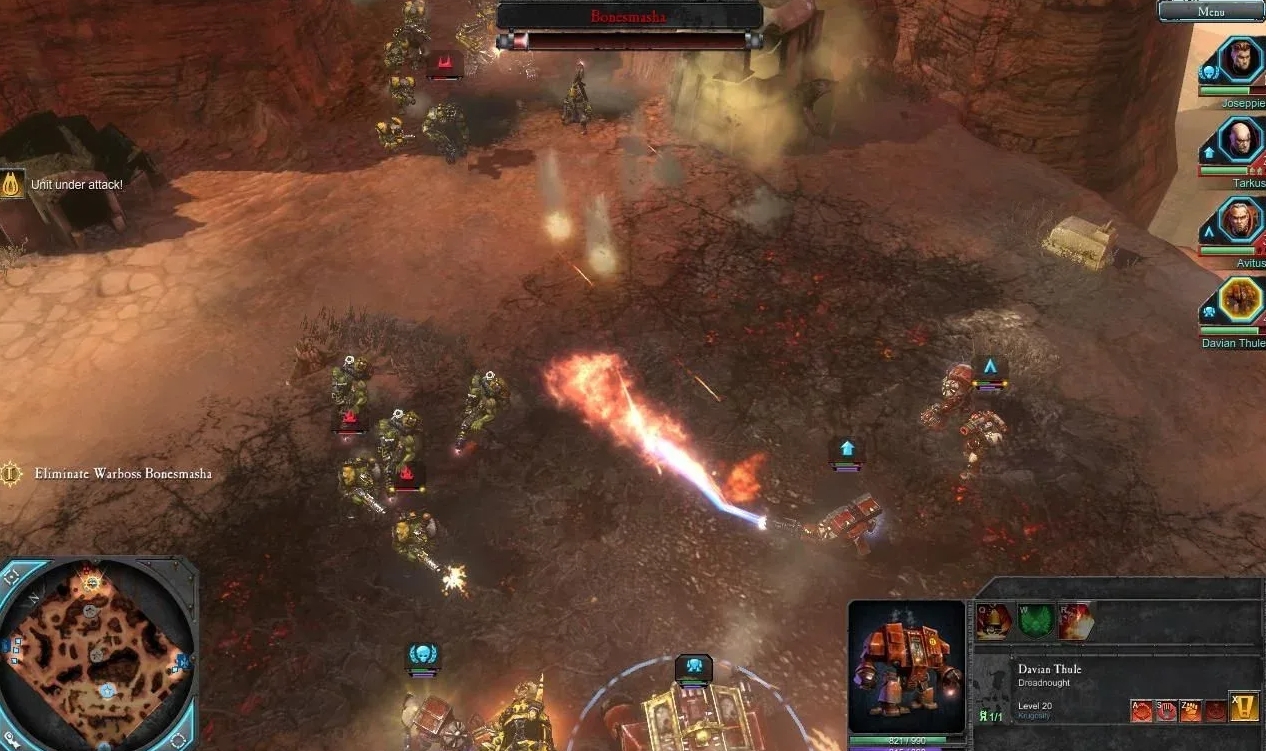
But if you hate micromanagement, it is better to bypass the game. Managing squads requires constant attention: throw a grenade at the right time, call artillery, pick up ammo. Sometimes the player really feels like a pianist drumming on hot keys. It would seem that only four units are nonsense. And the hassle with them is through the roof. The problem is that with such a rich foundation, the developers for some reason saturated the campaign with similar tasks. Destroy the orc, capture the temple, protect the relic from the Eldar — three missions on one map, and it starts to get tiresome. The story campaign in the first part wasn’t great either, but more was expected from the sequel.
Sometimes the game is saved by “special” missions. For example, the defense of a strategic plant or the final battle with the Tyranids. There you can really feel the scale: sudden attacks, intensity, drama. Between battles, the heroes improve their skills and exchange lines, and the player is offered “Diablo-like” pumping. Each new level unlocks new skills, new armor or weapons. And even if the next task doesn’t entice, the temptation for the sake of the reward still pushes you forward. You have to choose between four branches of development — health, shooting, close combat and energy. It is impossible to pump everything at once, so each choice is made with a grain of doubt.
Stop paying for games – enjoy a free steam account now.
Dawn of War 2 Multiplayer: Tactics, Units and Strategies
The real magic of Dawn of War 2 is revealed not immediately, but only when you enter the multiplayer mode. Here the game seems to change before your eyes – new rules, different priorities and a completely different pace appear. It all starts with choosing a faction and a hero: the commander rushes into battle, raising the morale of his comrades and chopping enemies to shreds, the pharmacist heals allies and simultaneously deals damage to the enemy, and the technician sets up turrets and repairs equipment right on the battlefield. In words, everything sounds pretty simple, but try to think through tactics, take into account dozens of nuances and prepare countermeasures. Each unit has a price, and sometimes it is much wiser to retreat and regroup than to be a hero to the last drop of blood.
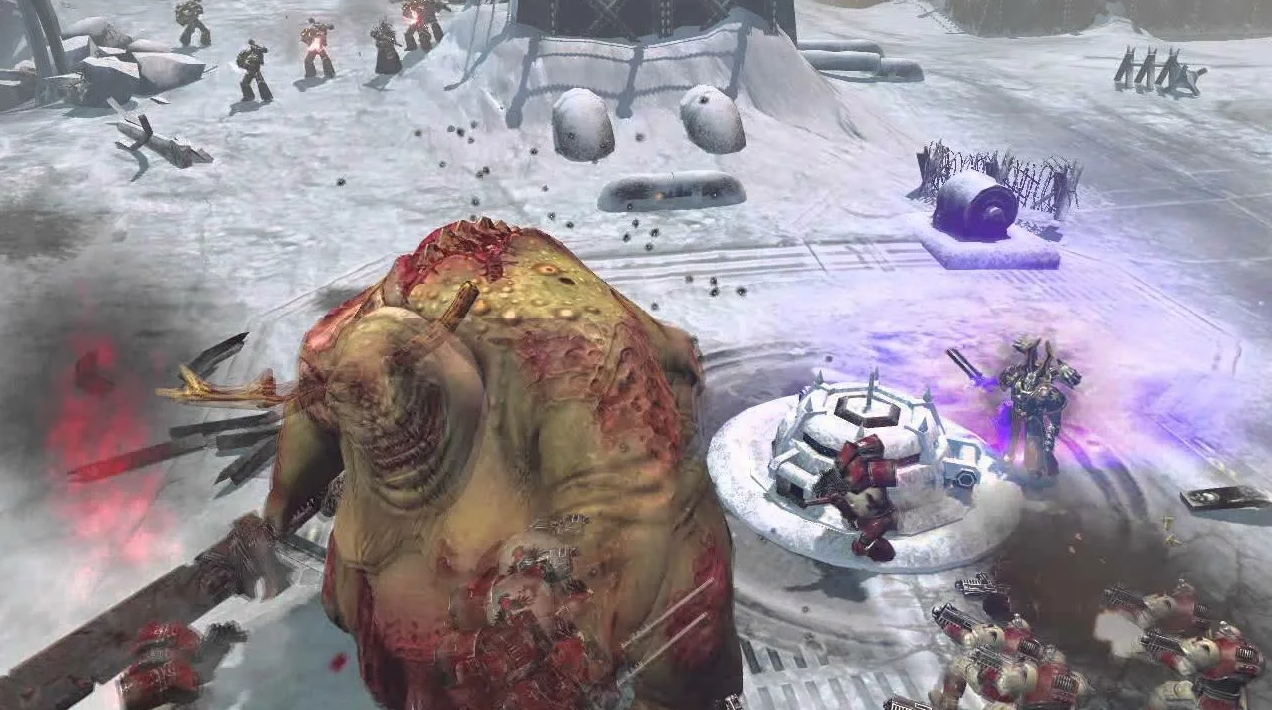
A clear system of roles forces you to experiment with combinations of units. Here are the main tasks of the fighters:
-
shooters provide cover fire and weaken the enemy;
-
attackers conduct an attack in close combat;
-
missiles effectively cope with armored vehicles;
-
grenades are ideal against infantry.
But don’t forget about resources: control points and power plants are the lifeblood of your army. Without them, no one will go into battle. The Space Marines will remain in orbit, the Orks won’t get into the meat grinder, the Eldar won’t open their portals, and even the Tyranids won’t be able to launch their signature onslaught of numbers without “requisition points”. The third resource is mined in the flames of war – for destruction and death. It allows you to buy the most powerful upgrades: elite troops or destructive superweapons.
Before heading into rating battles, it’s better to practice in “skirmish”. Here you can clearly understand which weapon works against which target. The upgrade system is also complex: units can be strengthened or even their specialization changed, but it’s easy to make a mistake. For example, the Eldar can hang an anti-tank gun or an anti-infantry weapon on a walker – and if you guess right with the choice, this can decide the outcome of the battle. And if the game drags on, real titans enter the arena: huge tanks, terrifying monsters, and even avatars of gods with flaming weapons in their hands. It’s a sight that takes your breath away.
Disappointment comes when you realize that there are catastrophically few maps – only seven. Three are designed for 1 vs 1 duels and four for 3 vs 3 battles. And where is the balance in the form of maps for 2 vs 2? In training, you can turn off extra slots, but in rating matches there is no such option. The system of selecting random opponents should supposedly solve the problem of cheaters and stats manipulation, but it works mediocrely. Especially in 3 vs 3 – you can wait for an eternity for a match, and then suffer from lags or weak play of allies. Duels don’t always save you either: matchmaking promises to pit newbies against newbies, but in reality you can run into a seasoned veteran who has already drowned your fellow players in biomass dozens of times.
Technical problems add fuel to the fire: desynchronization, crashes – all this happens more often than you would like. The co-op, which was fashionable at the time, brightens up the situation a little. You can call a friend, go through several campaign missions together and return to solo mode again. True, you can invite a partner only if you know his nickname in LIVE, which slightly complicates the search. But at least they don’t require an IP address – thank you for that.
Warhammer 40,000: Dawn of War II System Requirements
System Specs – Warhammer 40,000: Dawn of War II
How to play Warhammer 40,000: Dawn of War II for free on Steam via VpeSports
In the grim darkness of the far future, Warhammer 40,000: Dawn of War II throws you straight into the chaos of endless war. This is not a place of peace or mercy — it’s a universe where survival depends on your courage, and every decision on the battlefield shapes the fate of countless lives. One moment you’re holding the line with a squad of battle-scarred Space Marines, and the next you’re clashing with savage Orks, mysterious Eldar, or the terrifying swarm of Tyranids.
What makes this game unforgettable is the way it pulls you into the struggle. The missions feel alive: ruined cities lit by the glow of burning ruins, jungles echoing with alien cries, and desperate last stands where every shot, every command, feels like it could turn the tide of war. You’re not just giving orders — you’re leading warriors who trust you, and their loyalty makes each victory more powerful, each sacrifice more painful.
Starting your journey has never been easier. We’ve taken care of the complicated setup, so you can focus on the battles ahead. All it takes is a quick registration, logging into your profile, and the game will be ready with clear, step-by-step instructions. And yes, if you prefer, you can also activate it through a free steam account, making access even smoother.
We value your voice as much as your gameplay. Once you’ve fought your battles, share your impressions with us — every review is carefully moderated, and after approval, you’ll receive all the details right to your email.
For those who want to stay connected, our Telegram channel and chat is the perfect place. We share news, updates, patches, and even fresh accounts, while players from around the world gather to talk strategy, favorite factions, and victories worth remembering. And if you’re ever unsure how to start or need help, our “How to play for free – Complete guide” has everything you need to launch your campaign without trouble.