Magic in Heroes of Might and Magic: Olden Era is no longer just a matter of “throw a fireball at an enemy and they’ll catch fire.” The new game in the series takes a much more thorough approach to spellcasting. Royal infrastructure influences a hero’s power, and the Observatory, with its alchemist dust, forces you to plan every expenditure. Whether you want to squeeze every last drop of mana in a long siege or choose a school to suit your style, understanding the basics of the map is essential.
Important: the game is still in Early Access, so some mechanics may change before the final release.
Table of Contents
How to learn and upgrade spells in Heroes of Might and Magic Olden Era?
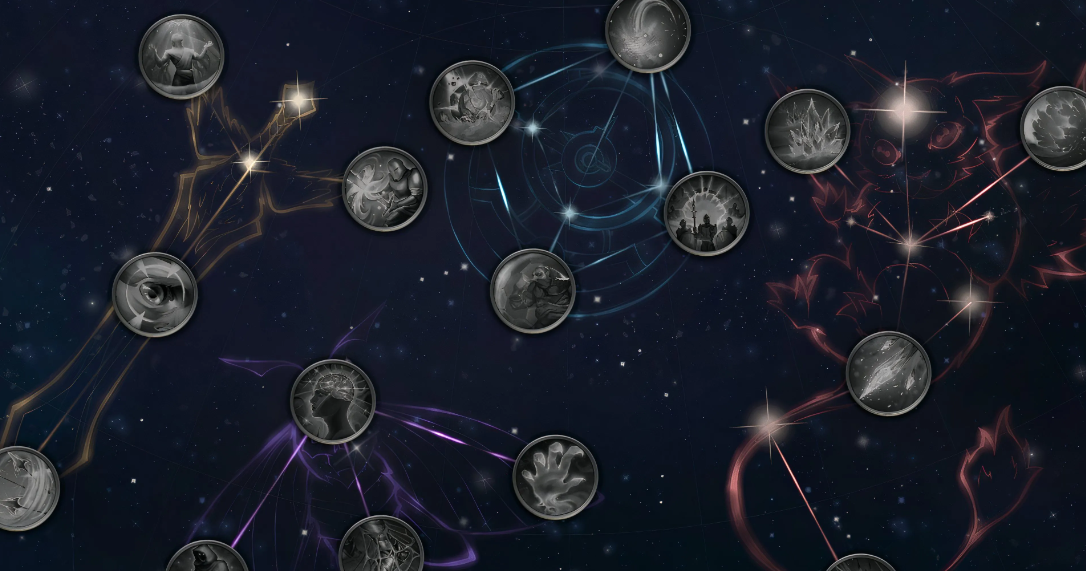
The process in Olden Era revolves around two things: the Royal Observatory (a global “library” for all your cities) and the hero’s personal Spellbook.
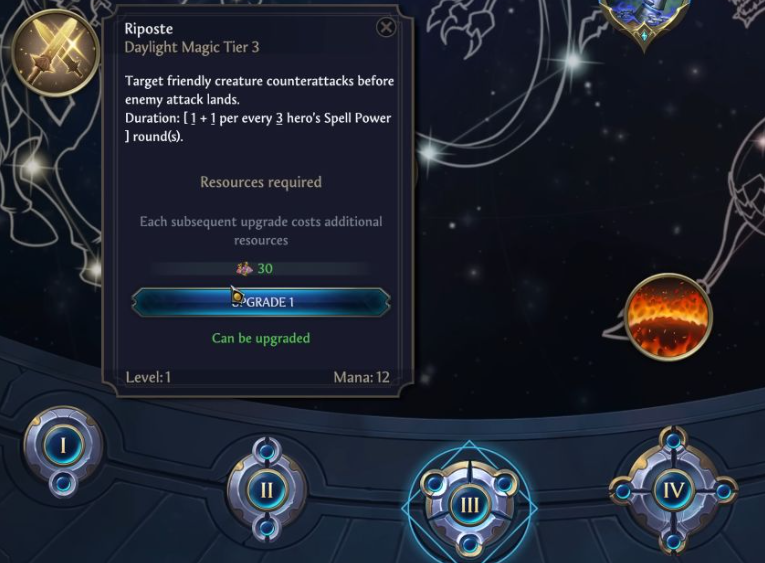
Build Mages’ Guilds in settlements, and some random spells automatically end up in the Observatory. Having multiple guilds increases your chances of unlocking new ones or upgrading existing ones. You can also manually unlock a specific spell, but only if you have a guild of the same level.
There’s a catch: manual upgrades only work once. The level only increases if the spell is accidentally unlocked while building a new guild, or through the hero’s equipment and skills.
And don’t try to upgrade everything. Upgrading consumes alchemy dust—the same resource needed to upgrade buildings. If you’re left empty-handed at a critical moment, it’s your own fault.
How the hero gains access to magic and scrolls?
For a character to actually learn spells from the Observatory, they need to visit the city. Once they’ve entered, they automatically receive everything available (including spells from guilds in other settlements). It’s convenient; you don’t have to drag and drop anything manually.
Level restrictions are simple: anyone can learn rank 1–2 spells. However, to cast rank 3, 4, or 5 spells, a hero must have the corresponding skill, acquired through leveling.
Also, scrolls and interactive objects on the map grant unique spells. They are bound to a specific hero and are not stored in the global Observatory. So if you find a rare scroll, don’t lose it.
Schools of Magic Review: Which One Is Right for You
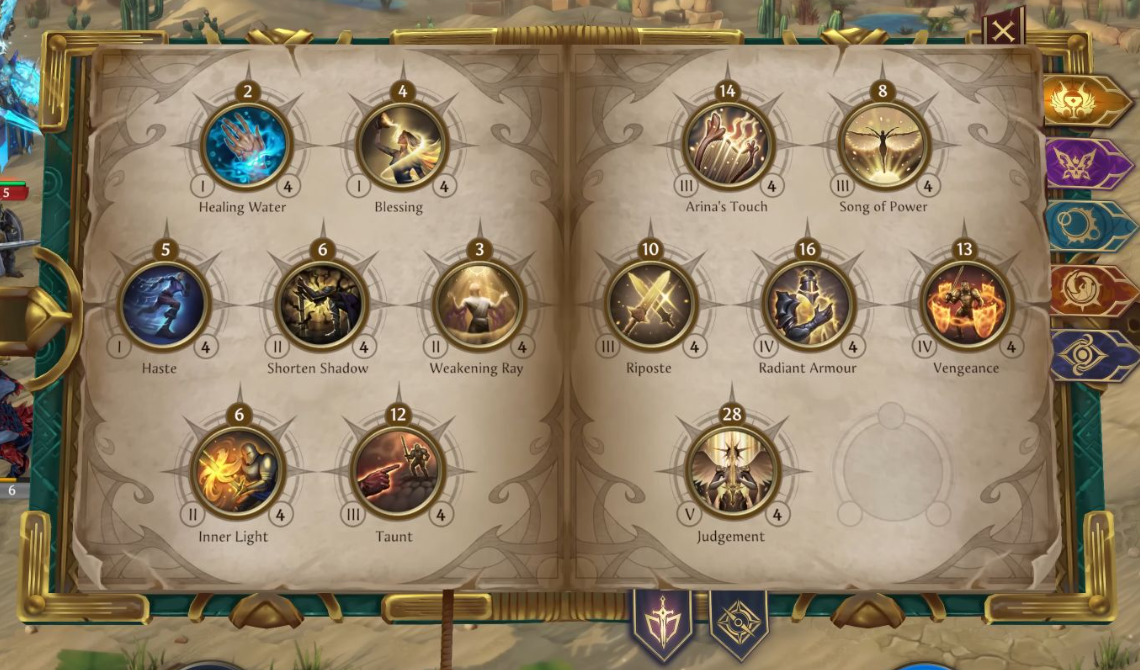
There are four schools of magic in Olden Era, each with its own tactical role. Don’t expect fireballs to heal—everything is strict here.
-
Daylight is all about buffs and support. You speed up your troops, increase armor, and heal wounds. Without such a mage, a long campaign is difficult.
-
Nightshade is a mirror story, but for your enemies. Debuff stacks, reducing their attack and survivability. With its help, even a weak unit can tear apart a strong one.
-
Primal is the queen of direct damage. Explosive area-of-effect spells, fireballs, lightning. If you simply need to wipe the enemy army off the map, this is the place to go.
-
Arcane is control and manipulation. Move the enemy, freeze them, change the turn order. A complex school, but in skilled hands, it can break any opponent’s tactic.
There is also a fifth, non-school category. This includes card spells—teleportation, flight, and other global ones. They are not combat-oriented and are only unlocked by acquiring Astrology points in the Observatory.
How to regenerate mana in cities and the field?
Three main ways. The most reliable is to spend the night in a city with the Mages Guild. Did the hero end his turn in a settlement? The next morning, his mana is full. Convenient, but it binds him to cities.
If you’re in the field, each new day brings 10% of your maximum mana. Not fast, but free.
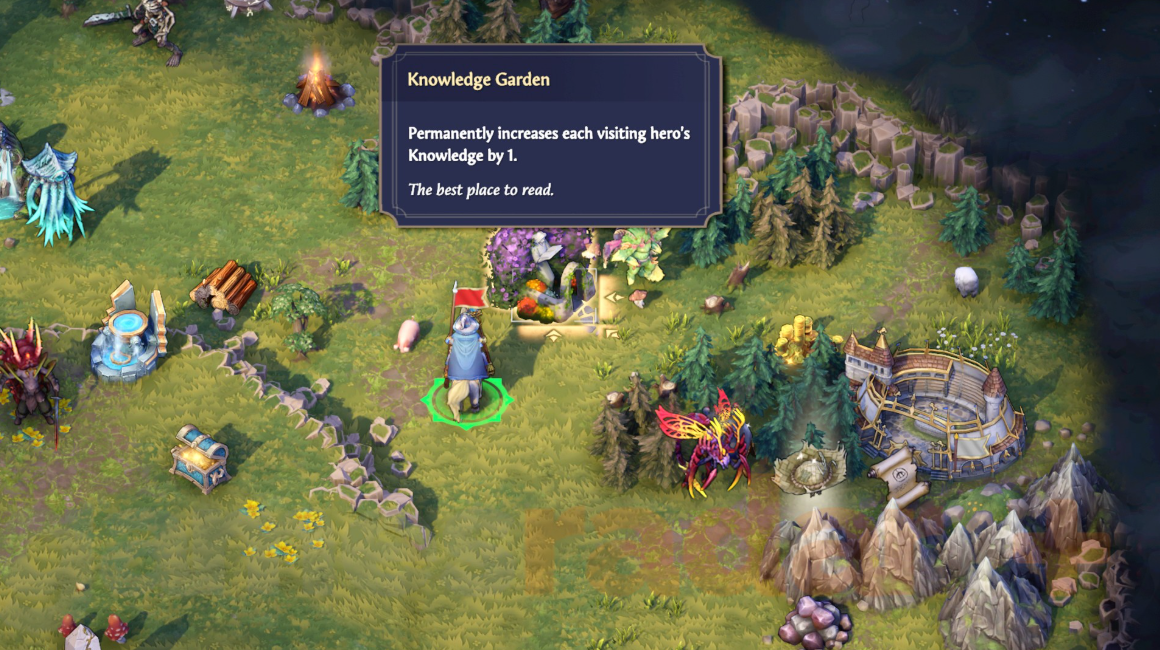
And then there’s the classic: Wells on the map. Just go up to them, click on them, and your mana is instantly replenished. Too bad they’re not everywhere.
How to increase your mana reserve with Knowledge?
The key stat here is Knowledge. One point gives +10 to your maximum. It might seem like a small thing, but when you have five or ten, the difference is colossal. And remember: regeneration is percentage-based. The higher the cap, the more mana you get each morning. So investing in Knowledge is doubly beneficial.
Also, don’t forget about equipment and skills. Seen an artifact with +2 Knowledge? Take it without hesitation. Some abilities also increase your reserve—they’re rare, but worth it.
Best magic builds for different game stages
In Olden Era, a magic build isn’t just a collection of your favorite spells, but a cold calculation tailored to the current phase of the game. Early on, those who can conserve mana and deal cheap control survive. In the late game, tempo and how well your chosen school scales with Spell Power over the long haul are crucial. If your city infrastructure isn’t yet providing stable regeneration, forget about expensive combos—in the early stages, it’s best to play with careful resource management.
Early Game Magic: Control and Buffs
Daylight or Nightshade are the easiest schools to survive the opening. The former offers cheap buffs, while the latter effectively reduces incoming damage, which is critical when your army is short-stacked. Primal is only worthwhile if you have quick access to targeted area-of-effect spam. Arcane may seem overly complex at the start, but it’s the best at punishing opponents for positional errors. A well-timed tempo break or a forced missed strike can often decide the outcome of an entire battle.
Lategame build scaling and school synergy

Once Knowledge is raised and mana is sufficient for a series of serious skirmishes, the build finally begins to breathe. Here, the synergy between a specific school, faction bonuses, and artifact power comes to the fore. For those who enjoy protracted and attritional wars, Daylight and Nightshade are ideal: some push their units to the limit, while others methodically suppress their opponents. Primal is all about pure burst. You need to get in, deal maximum damage, and close the battle before the counterattack arrives. Arcane, however, remains the choice of those who prefer disrupting turn order and completely controlling the initiative on the map.
Key factors when choosing a build
Don’t forget to check your chances for quick access to tier spells and the availability of bonuses to magic tactics for your faction. In the Olden Era, the winner isn’t the mage who has learned everything, but the one who best fulfills a specific combat objective here and now. A strong character is always highly specialized. This is the only way to guarantee an advantage over your opponent at the decisive moment.