During the first time of beginners, a sea of questions is created in League of Legends, the first thing you notice is a large number of champions, each of which has abilities and a role in its characteristics. Each character has its own attack style, health pool, and other characteristics. Champions are divided into several types: mages, tanks, marksmen, and so on. Beginners typically start the game with a standard setup, often followed even by bots: two players go top, one mid, and two bottom. While this strategy works, it’s far from the most effective.
In reality, in League of Legends, all champions are initially assigned to roles that define their primary purpose in the game. One player goes top, choosing a hero suited to this type of play. A mage is usually placed in the mid lane, as their abilities are best utilized in a solo lane. Two players are assigned to the bottom lane, with one typically supporting the other, and the latter typically taking on the jungle role.
The scheme is more extensive in random matches and is the foundation of a successful game strategy. It’s important to understand that each role has its own significance and requires specific skills and experience. Below, we’ll take a closer look at each role so you can better understand the challenges each player faces and choose the optimal playstyle for yourself. All of the above will give you an understanding of the game and our article, helping you choose a favorite champion based on your skill and reaction time.
Table of Contents
How to Play as an ADC Carry (Damage Dealer)
A team member has a place on the list – a damage dealer, or AD Carry, whose path to initial minutes begins on the bottom line along with support. The ability to effectively deal with last-hit minions is one of the most essential characteristics for a damage dealer. This is not just a task; it is the fundamental component of a successful early game. Good minion farming is the key to quickly acquiring the necessary items and gaining an advantage over opponents. However, it’s important to remember that a damage dealer shouldn’t be completely absorbed in farming. Monitor the actions of your support and your enemies. If your ally is about to initiate an attack, the first priority is to support them and then return to farming. Coordinated action between the damage dealer and support is the key to victory. Voice communication is ideal, but if it’s unavailable, hotkeys can be used to direct attacks or signal a support to retreat. Remember that in the early game, it’s important to conserve life. Every death in the bottom lane gives the enemy a significant advantage, and it will be extremely difficult to regain it. It’s important to understand that the jungler can often switch direction to the bottom lane, so keep an eye on the minimap and the situation in other lanes to react promptly.
Once you’ve acquired your first major items, you’ll be able to quickly take down the first tower in the lane or at least destroy a few plates. After that, it’s important to move on to assist your allies in other lanes. Remember that a damage dealer always moves close to a support or their team. This is because a damage dealer typically has very low health and almost no defensive items. Therefore, going into battle alone risks becoming an easy target. If you’ve taken down the first tower and an allied jungler is nearby, you can team up with them to quickly destroy the Dragon, which will provide your team with a powerful buff for the rest of the game. A damage dealer’s job is to constantly farm, push lanes, and actively participate in fights.
In the late stages of the game, when a damage dealer’s inventory is fully stocked, they become a veritable killing machine. They can destroy several enemies in a matter of seconds. However, it’s important to remember that a damage dealer shouldn’t initiate a fight—that’s what initiators are for. Therefore, it’s best to enter combat a little later, always focusing on dealing damage, prioritizing correctly, and avoiding death. If the damage dealer dies first, it often leaves your team lacking damage, and enemies quickly wipe out all your allies. In other words, a damage dealer is a champion with tremendous damage output but extremely low survivability. Damage dealers typically have a long-range attack, which partially compensates for their lack of health.
What makes the ADC unique from other heroes is that it deals powerful auto attacks. Carries’ passive abilities improve the damage of their auto attacks. More than half of the ADC roster is ranged.
The role is boring as the game progresses. While allies fight the enemy, the carry continues killing monsters.
Ezreal
Ezreal is a ranged hero, popular for his mobility and magical attacks. His passive ability increases his attack speed every time he hits an enemy with magic. Ezreal’s spells are ideal for teamfights, and he requires good synchronization with his team from the very beginning of the game. However, unlike other carries, Ezreal is not an effective farmer early on.

Ezreal lacks the skills to defend himself from attacks, leaving him vulnerable. A few unfortunate deaths early on can greatly weaken his late-game potential, and by the end of the game, he poses little threat to his opponents.
Despite his popularity in LoL, Ezreal’s effectiveness leaves much to be desired—his win rate is only 47%.
Kai’Sa
Kai’Sa is a ranged hero who uses plasma bolts to deal bonus damage to enemies. She applies these charges when she auto-attacks, and her allies can activate them to root the target, making her ideal for team play.

One of Kai’Sa’s strengths is that her abilities can be upgraded with items, opening up new gameplay possibilities. This aspect appeals to many players and makes her one of the most popular characters in LoL.
However, despite her popularity, in patch 14.1, her win rate was only 46.6%, indicating her instability in the current metagame.
Caitlyn
According to League of Graphs, Caitlyn is one of the top 5 most popular heroes in League of Legends. She stands out for her striking design and engaging gameplay. Thanks to her passive ability, Caitlyn deals bonus damage after several auto-attacks.
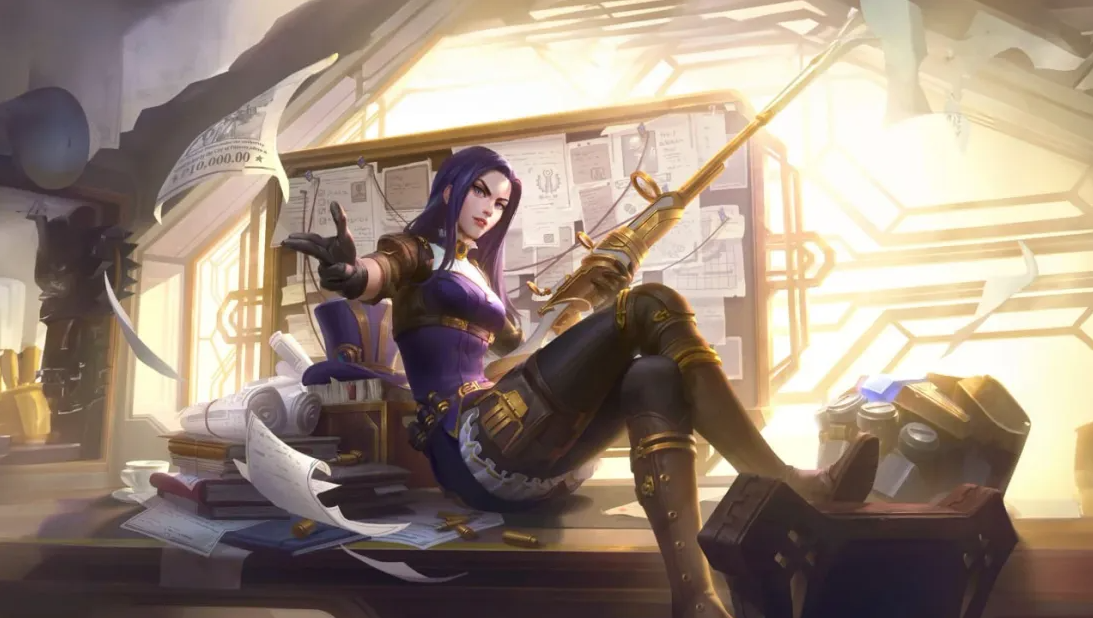
Her abilities deal damage, slow enemies, and can knock them back, making her a comfortable choice even for new players.
Artifacts for damage dealers
We’ve laid out the basic concept above: a damage dealer’s primary role is to deal damage, and the right artifacts are essential. To maximize physical damage, the following items are most often chosen:
-
Blade of the Ruined King
-
Statikk Shiv
It’s important to understand that artifacts aren’t chosen based on personal preferences, but rather based on the characteristics of each champion and the specific game situation. Recommended items for your hero can be found in specialized guides.
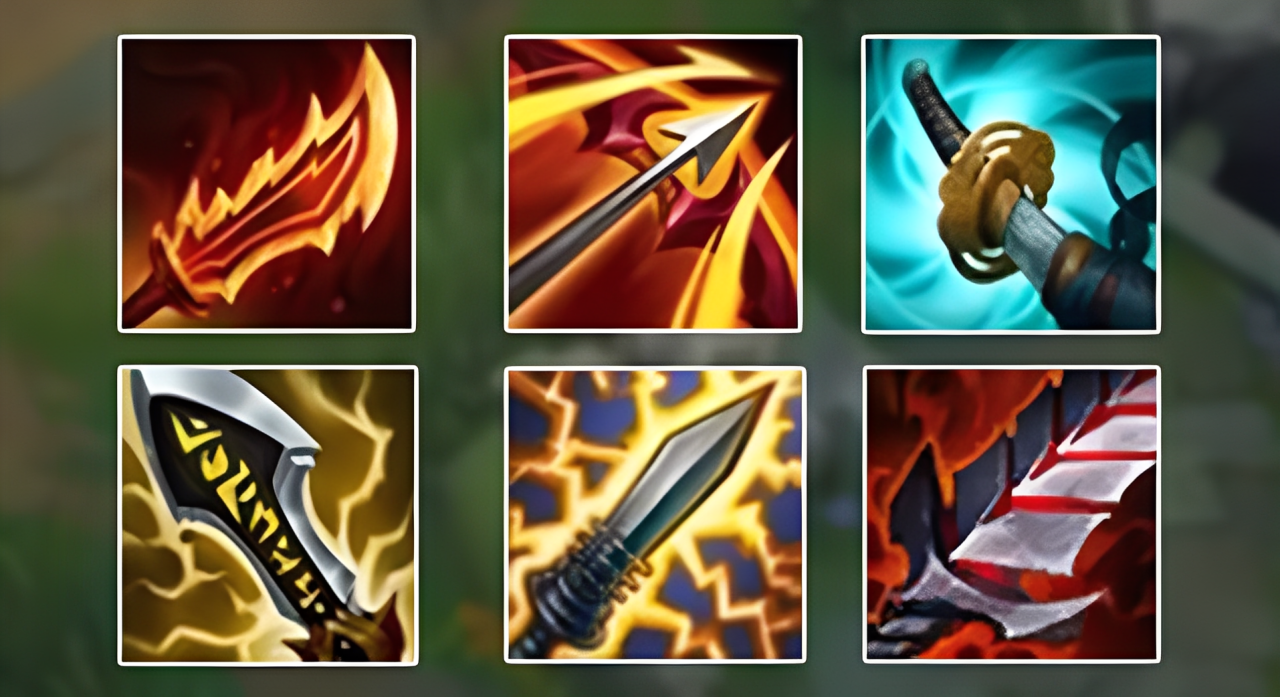
As a rule, damage dealers buy a defensive artifact in the last inventory slot (or earlier). If you’re facing a balanced team, Guardian Angel is worth considering. If the enemy team is dominated by physical damage, Randuin’s Omen is a reasonable choice. If you’re frequently attacked by mages with powerful crowd control abilities, Banshee’s Veil can be considered, although this item is quite situational. When facing multiple crowd control effects (stuns, slows, etc.), the Mercurial Scimitar is the best choice. As you can see, your choice of item depends not only on your champion but also on the enemy team.
Below is a list of defensive items that are actively used by damage dealers:
-
Guardian Angel
-
Randuin’s Omen
-
Banshee’s Veil
-
Mercurial Scimitar
As for boots, Berserker’s Greaves is the most common choice for damage dealers, as they increase attack speed, which is crucial for most damage-focused heroes.
Spells
Of the additional spells, damage dealers in almost 80% of matches choose Teleport in combination with one defensive spell.

Of course, other options are available, but these are the most frequently used.
How to Play Support (Warding)
The support role in the game is one of the most sensible and crucial choices for victory. Typically, a support roams the bottom lane alongside their damage dealer, where their job is to protect their ally from ganks. However, this doesn’t mean they simply stand and wait. On the contrary, they are always looking for the right moment to strike the enemy while avoiding counterattacks. It’s crucial that a support doesn’t interfere with minion farming—the damage dealer should be the one doing this, as gold generation depends on them. Similarly, a support shouldn’t take kills from enemies: all frags should go to the damage dealer, and you only get gold for the assist. Suppose an enemy is on the verge of death, and your damage dealer is about to deliver the finishing blow. In this situation, it’s not worth taking a frag for yourself—it’s better to wait for your ally to finish the fight. A key skill for a support is accurately assessing when and how to attack to maximize the team’s benefit. The bottom line is that you should only act when you can count on an ally’s help and won’t interfere with their farming. Also, don’t attack enemies alone if you don’t have support nearby: this will likely result in your death, and there’s no point in blaming your ally.
The primary goal for a support is to properly place wards (totems). If you’re unfamiliar with where and how to place them, I recommend reading our article “Warding Guide.” At the start of the game, a support’s primary focus should be protecting their lane from sudden ganks, which requires proper ward placement and careful monitoring of the minimap. But don’t forget about the other lanes—watching them is also within your power. However, this doesn’t mean abandoning your lane and mindlessly rushing elsewhere. Protecting your allied damage dealer is always the top priority. The challenge of playing support is that you need to clearly understand the behavior of other champions. For example, it’s important to be aware of the jungler’s farming timings—this will help you place wards along the river in a timely manner, thereby protecting yourself and your allies from potential ganks.
In the mid-game, the support role plays a crucial role. They roam the map alongside their AD Carry, carefully monitoring their safety. Understanding that the damage dealer’s life takes precedence over yours is crucial, especially in the heat of a teamfight. If the damage dealer dies, your opponent could lose a huge advantage, while the death of a support will not have such serious consequences. Therefore, it’s important to be prepared to put your character’s life on the line to protect an ally. This is the phase in which both teams reunite and actively move around the map, and the support’s job is to place wards at key points. If your team controls the map, place wards in the enemy jungle to prevent surprise attacks. If your team is on defense, ward everything around your personal jungle first.
As the game approaches its late stages, a support hero should always be present with the team and participate in ability fights, providing effective and maximum protection for their allies. Depending on the type of support chosen, their role in combat can vary greatly. All supports can be roughly divided into three categories: classic supports, aggressive mages, and tanky supports. In the next section, we’ll present a detailed list of these heroes, broken down by group. Many League of Legends fans consider the support role to be one of the easiest to master, but also one of the most boring in terms of gameplay. However, Riot Games itself understands this problem and is actively reworking the support role, introducing new, interesting spells for its heroes.
Thresh
One of the most prominent League of Legends supports, Thresh has come to represent the changing support role. His passive greatly boosts his armor and magic power, increasing both his effectiveness and enduring nature.
Thresh is still strong in the late game even though there aren’t many readily available items. In addition to his “Dark Path” spell, which allows him to instantly teleport allies to Thresh and shield them from enemy attacks, his abilities deal legitimate damage.
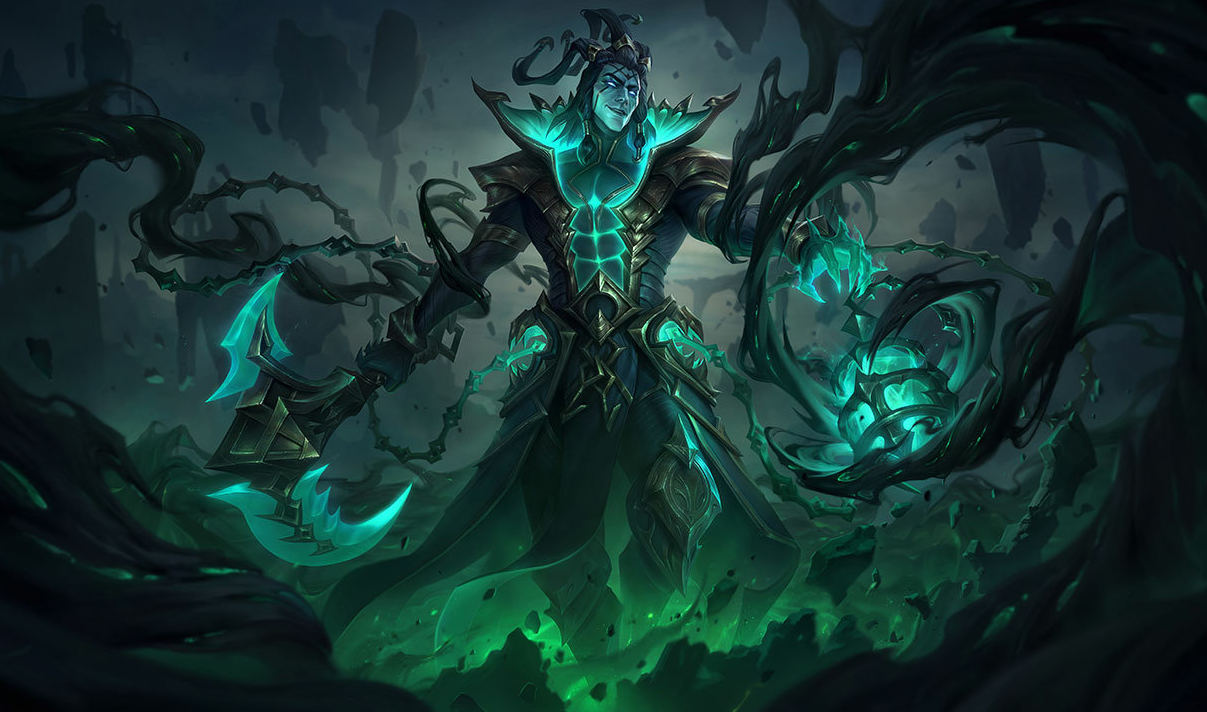
With such a skill set, Thresh has a good win rate—49.5%—despite his popularity.
Senna
Senna is a unique support hero with marksman elements, combining damage to enemies with healing for allies. Her impact is promising in both the early and mid stages of the game.
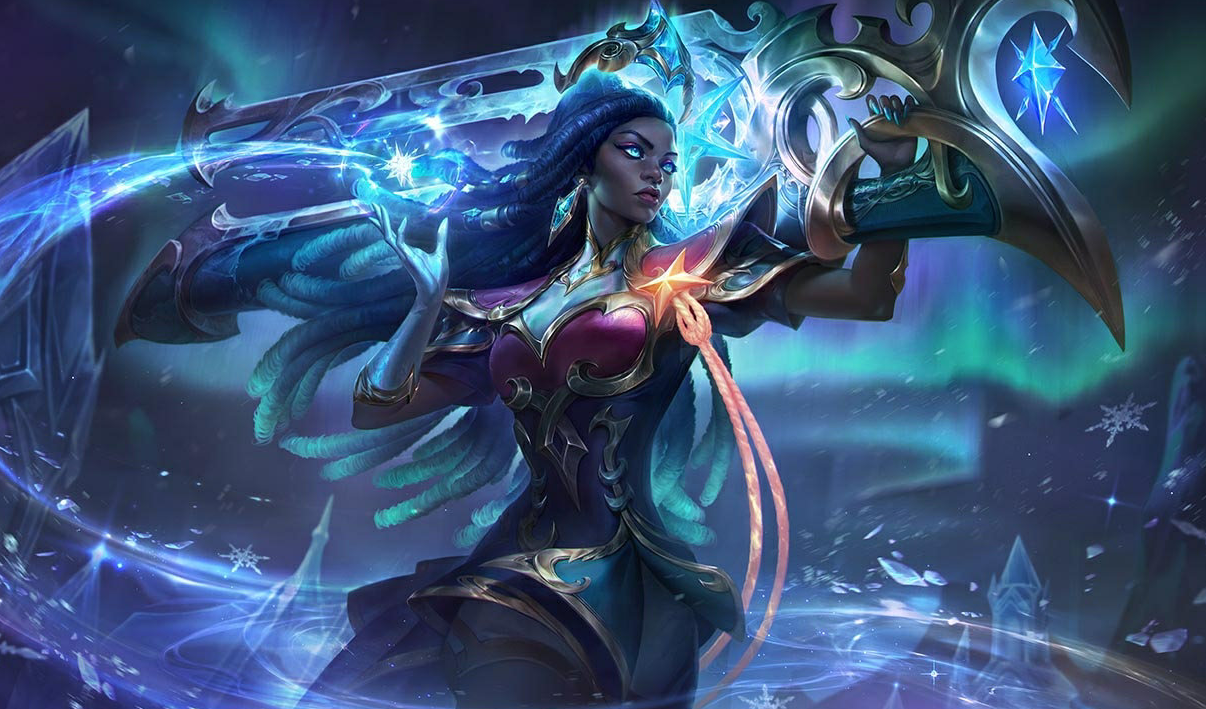
Senna is the second most popular support, but unlike Thresh, she has a positive win rate of 51.1%.
Nautilus
As a support hero, Nautilus emphasizes offense and control over defending his allies. He is a great option for aggressive play because he can pull, slow, and stun opponents. Nautilus gains a shield from his ability, Titan’s Wrath, which makes him an exceptionally tanky hero who can take a lot of hits.
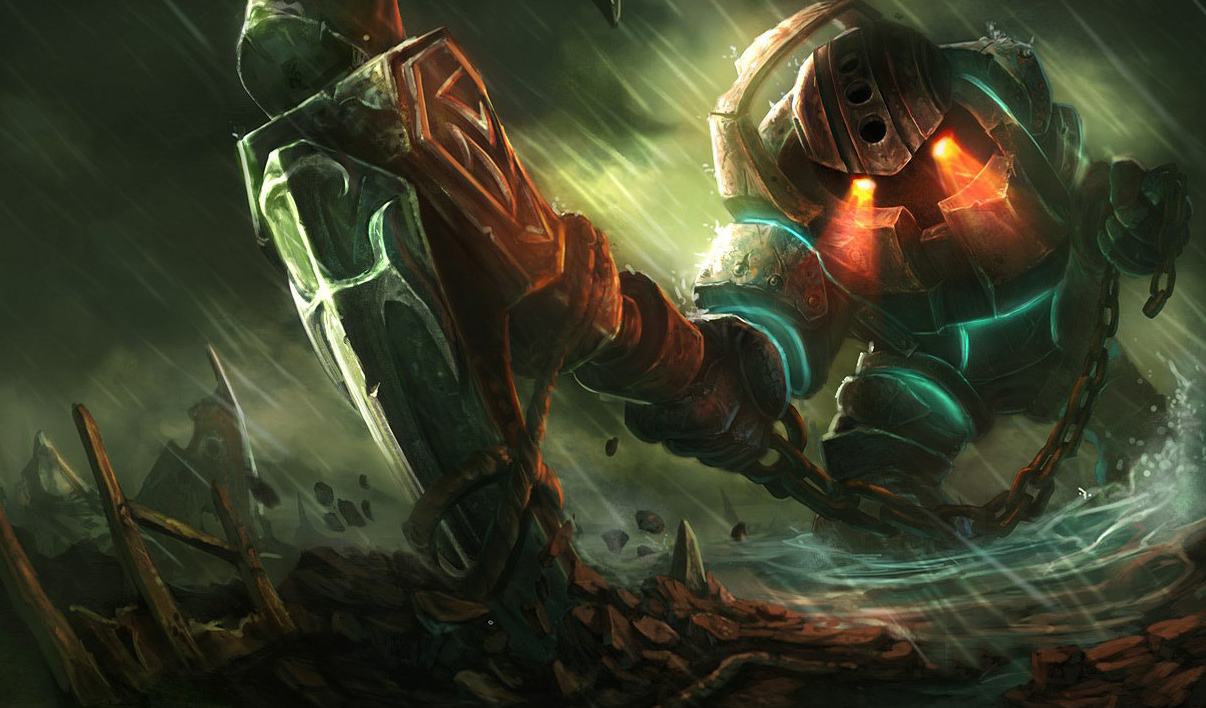
With a 49.4% win rate, Nautilus is the third most prevalent support hero.
Artifacts for supports
Supports aren’t immune to challenges. Gold shortages can occur, especially if they can’t earn it by killing enemy champions or destroying the first tower. To compensate for this shortfall, early-game supports use special gold-generating items. These include Spectral Sickle, Spellthief’s Edge, Steel Shoulderguards, and Relic Shield. Note that you can only hold one of these items in your inventory. Spellthief’s Edge is the most commonly used option for magic supports, whereas Relic Shield or Steel Shoulderguards are more appropriate for tanks or more aggressive supports. Since champions cannot use “Phantom Sickle” at its best, it is rarely pressed. Additionally, depending on your role and playstyle, it’s important to consider the various ways each of these items can be used to generate gold. Later on, these items can be transformed into powerful items that offer more warding opportunities. Artifacts can be further upgraded into powerful items that will open up additional warding opportunities. Don’t think that these items are temporary and will need to be sold. For a support, these are extremely important items that should be prioritized.
Every support should be monitoring the shop and using wards as much as possible across the map to prevent ganks from the enemy jungler. Early in the game, don’t forget to pick up the free Warding Totem ward—it can be a real lifesaver in your lane. When playing a support, it’s important to aim for the quest to purchase an item that grants bonus gold. This will help you earn gold based on the item’s abilities. Of course, this won’t happen overnight, as there are certain restrictions. Once you upgrade your item for gold and gain the ability to place wards, the free ward can be replaced with Oracle Alteration. It’s also crucial to periodically purchase a Control Ward to provide additional map control. The more information your team has about enemy movement, the better your chances of winning.
Generally speaking, support items are purchased to protect and assist their allies. The only exception is mage supports, who often choose items to increase their magical power. The choice of defensive items should depend on the current battlefield situation. If the enemy team primarily focuses on magical damage, consider items such as Banshee’s Veil, Locket of the Iron Solari, or, less commonly, Adaptive Helm. If the enemy team primarily uses physical damage, items such as Randuin’s Omen, Frozen Heart, or Zhonya’s Hourglass (if you’re playing a magic support) are ideal options. In reality, the defensive item choices for supports are quite varied, as this hero class offers a wide range of options. Sometimes, it makes sense to forgo defensive items altogether and focus entirely on items that will help your team.
Several artifacts also have their uses, particularly those that are particularly suited for support due to their special effects and ability to improve the play of allies and be dangerous for opponents.
-
Shurelya’s Reverie;
-
Mikael’s Crucible;
-
Athene’s Unholy Grail;
-
Twin Shadows.
Gameplay influences which boots a support character needs to wear. For example, Ninja Tabi or Mercury’s Treads are great options if you feel underpowered while playing a tanky support. You’ll be more combat-survivable with these boots. The greatest choices are Boots of Mobility or Boots of Swiftness if your hero values mobility. For a support character who frequently needs to move swiftly around the map and arrive at the right location at the right time, they accelerate movement, which is critical.
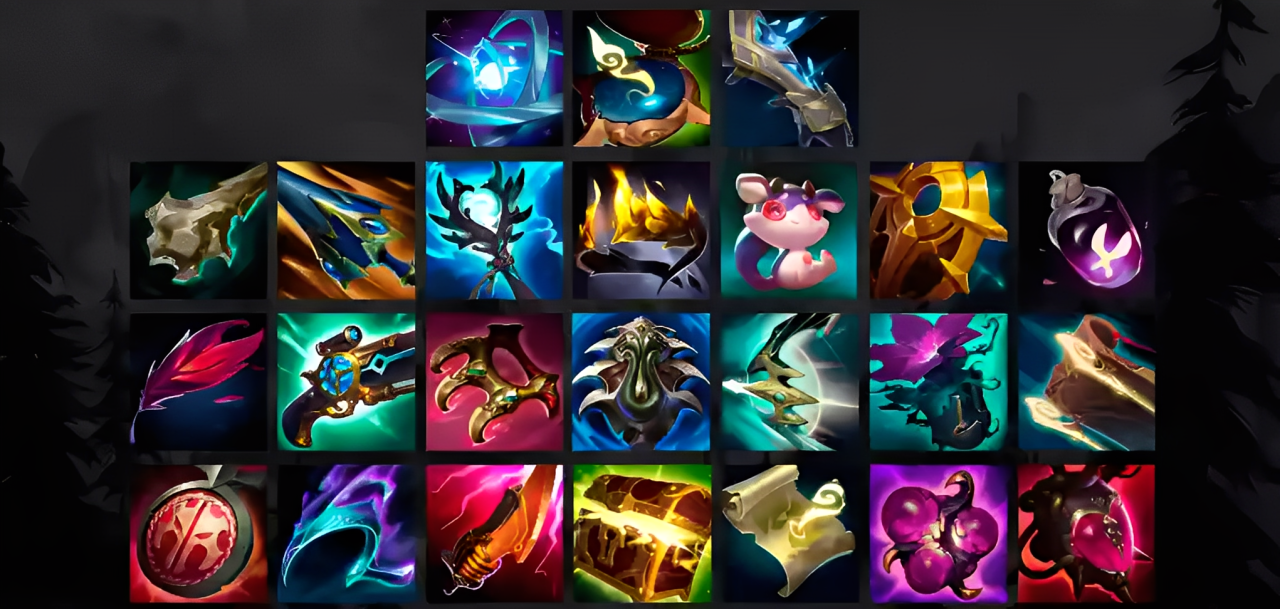
You may also want to consider Ionian Boots of Lucidity. These boots shorten spell and ability cooldowns, which can be crucial under certain circumstances.
Artifact selection will always be determined by the champion, their role, and the variations on the map involving movement.
Spells
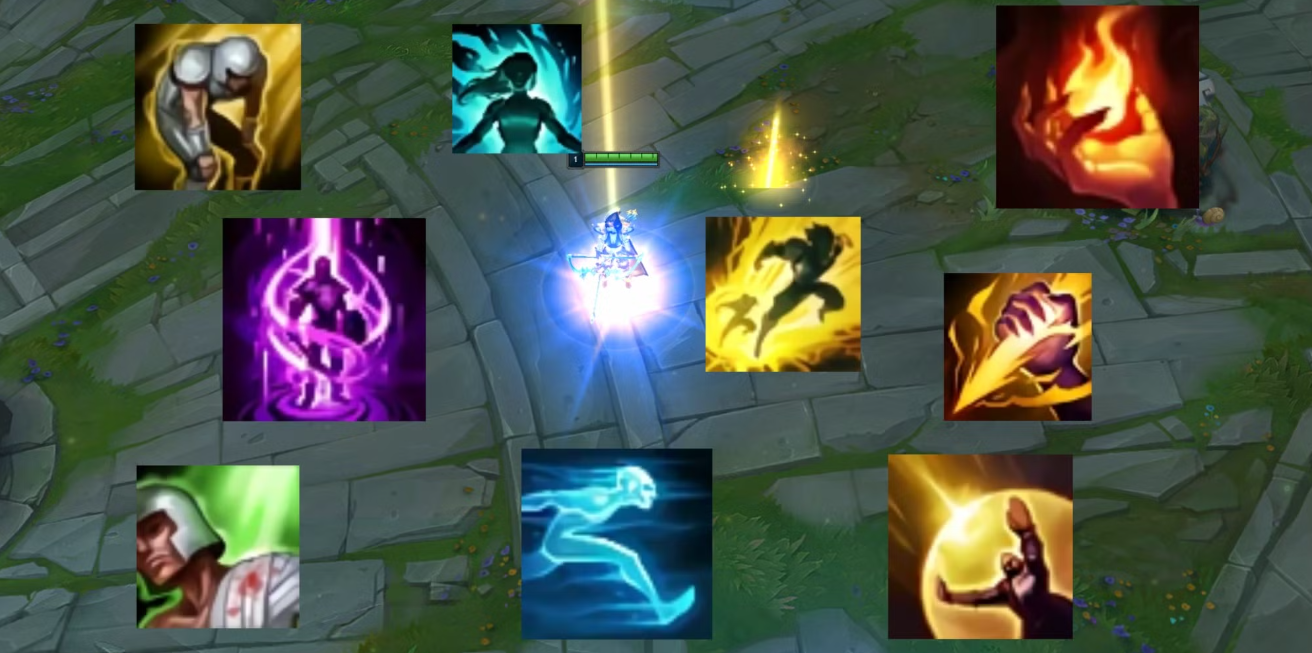
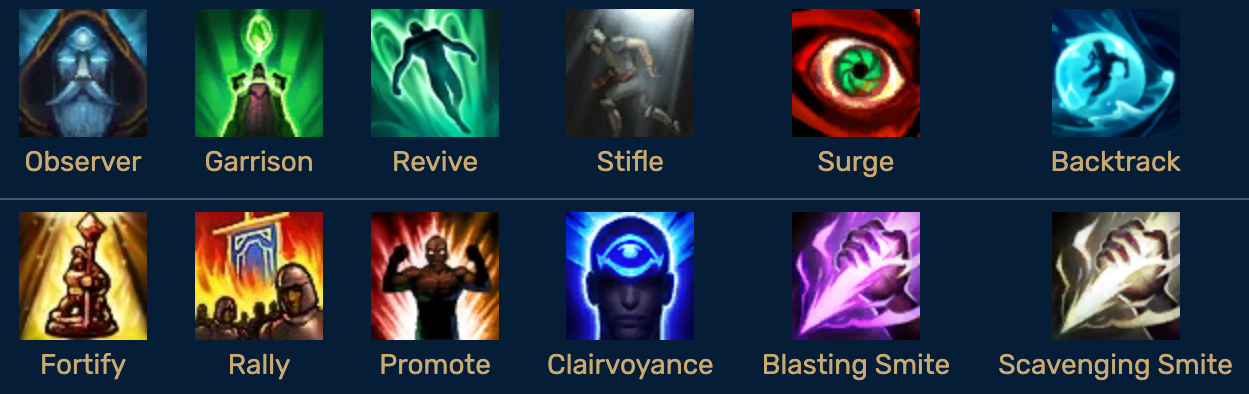
Speaking of spells, a support character should choose “Flash” in the first slot, which allows for cover by running or moving. A second spell is often chosen for support anally. This could be Heal or Exhaust. It’s important to remember that two heals aren’t necessary—if your ally is already using Heal, it’s better to use Exhaust to weaken the enemy. Some aggressive supports choose Ignite to deal more damage and reduce the effect of enemy healing abilities.
How to Play as a Jungler (Surprise Attack)
One of the most fun, tactical, and challenging roles in the game is the jungler. The jungler traditionally buys the Hunter’s Machete or Hunter’s Talisman at the start of the game and goes into the jungle. Only one ally remains in the top lane at this time, and they will have to face off against two enemy champions. This only speeds up their leveling, but it makes it harder for them to lane. Such situations are quite rare, as the enemy team usually also has a jungler. The key feature of the jungler role is that they can calmly farm neutral monsters while maintaining gold and experience levels with their teammates. While laners can only guess at the enemy jungler’s location, the jungler has the ability to make a surprise push to any lane and significantly assist their allies. When starting out in this role, we highly recommend reading the jungle leveling guide for more tactical use.
When choosing a jungler, you’ll need to consider one important fact: your teammates expect constant support from you. Don’t get too caught up in farming neutral monsters—helping your team is more important. Take advantage of ganks in lane and actively support your teammates. Before choosing a jungler, I recommend mastering all the champions to understand their strengths and weaknesses. The role also involves warding, just like a support. However, unlike a support, a jungler is constantly moving around the map, giving them the opportunity to place wards in different spots, protecting their allies from surprise enemy attacks. By the fifth minute, junglers have usually already completed several successful ganks. If successful, they not only help your team but also earn gold for participating in a kill or even for scoring one.
The jungler’s role becomes most crucial in the middle of the game, and even tank players start actively switching lanes in search of an attack opportunity. Because killing the Dragon gives your entire team a potent buff that lasts until the end of the game, it is compulsory for the jungler to monitor the Dragon’s respawn during this phase. You will have a big advantage and be able to win the game in the late stages if you and your allies regularly destroy the Dragon. The jungler keeps farming during this period and, if at all possible, distributes buffs to allies. On the other hand, it’s best to pass the blue buff to your mid-lane mage if you believe that it’s that important.
In the late game, a jungler typically joins their team and clears neutrals as they go, without spending much time. Ideally, you should aim for the Dragon and especially Baron Nashor. This buff greatly increases your team’s attack power and also activates minions that quickly begin to destroy enemy towers and other structures.
Junglers are typically divided into two main types: aggressive and tanky. While mage junglers and other rare options do exist, it’s best to choose something simpler to start with. Players generally prefer junglers who can quickly farm jungle and quickly enter lanes for ganks. Tanky junglers are less common, as they require time to level up and acquire the necessary items to be effective.
Playing a jungler in League of Legends is largely due to its difficulty for new players. Riot Games recognizes this problem, so in 2023, the developers released an update that significantly simplified jungle farming for new players. The update provided a new breath of fresh air, and junglers now receive pets that automatically attack jungle monsters, creating maximum farming comfort.
Lee Sin
Lee Sin is one of the most popular junglers in League of Legends thanks to his versatile abilities. He quickly closes in on enemies, protects allies well, and effectively farms the jungle. He is a favorable choice for beginners because of his passive, which speeds up attacks and regenerates energy.
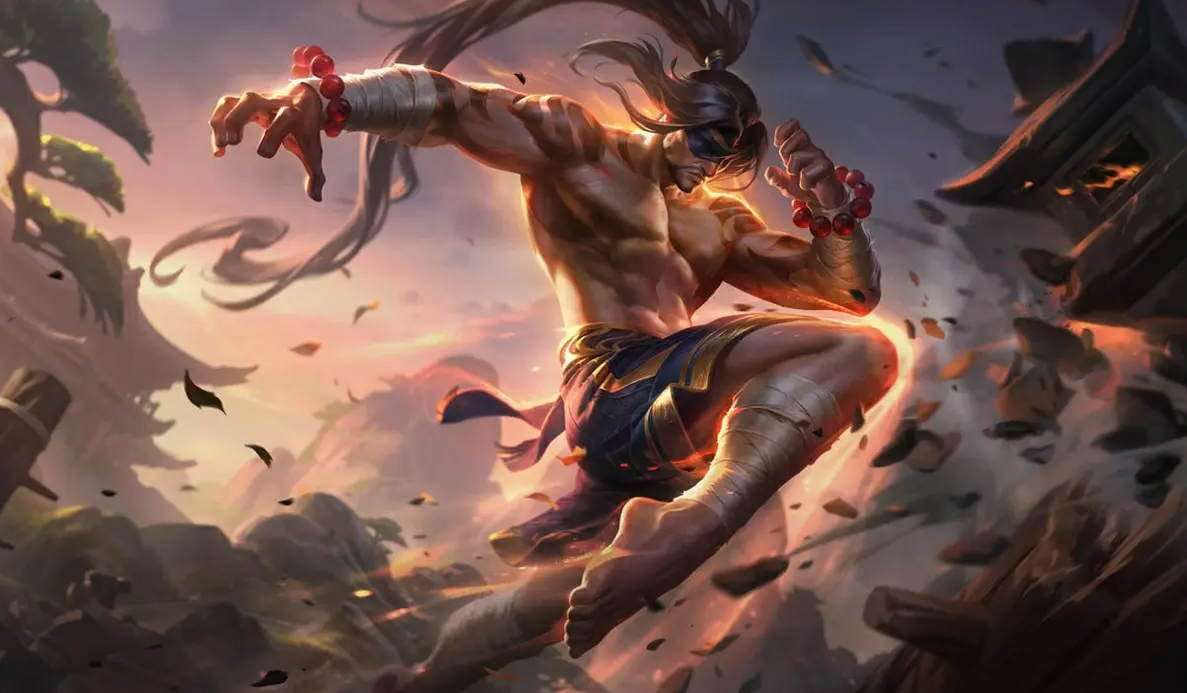
Lee Sin has a negative win percentage (roughly 49%), but his popularity among players remains high, suggesting he is effective.
Graves
Graves excels at the jungler role and is a skilled marksman. He can farm without losing health because his passive knocks back jungle monsters. Additionally, he has the ability to swiftly handle adversaries, slow them down, and inflict heavy damage.
Graves is a popular pick for novices due to his stellar track record for easy-to-understand gameplay.
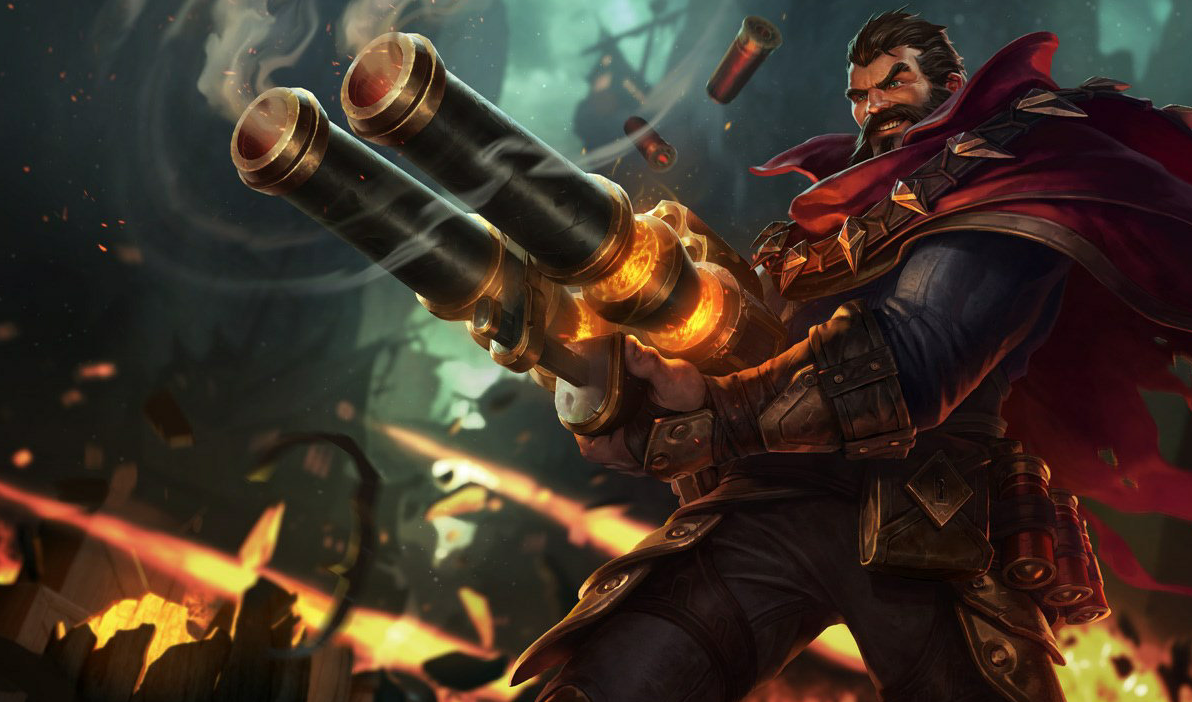
With a charged object win rate of 50.6%, Graves is the most popular jungler, second only to Lee Sin.
Kain
Kain is unique in that he has two forms, each suited to different playstyles.
In his Darkin form, Kain restores health with every basic attack.
In his Shadow Assassin form, he deals increased damage in the first seconds after combat begins.
One of Kain’s key abilities is his ability to traverse the map’s landscape with the spell “Twilight Step.” This allows him to bypass wards and attack enemies unexpectedly.
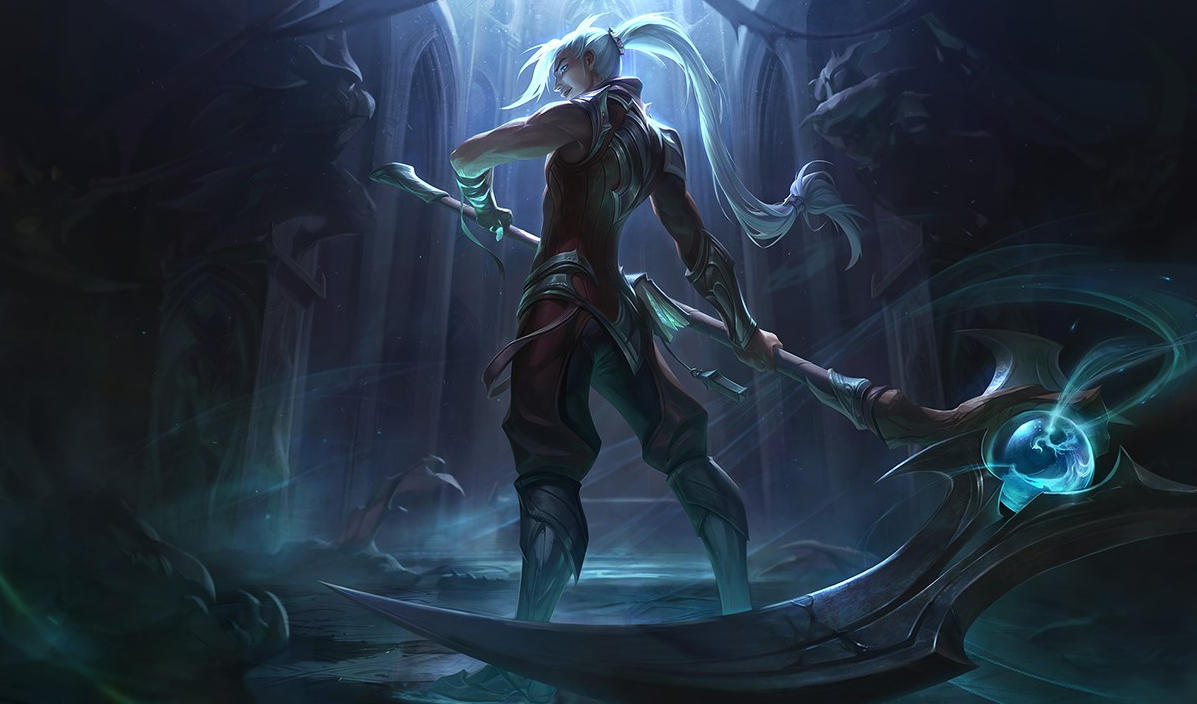
Cain is among the top 10 most popular junglers, but his win rate remains slightly below average (49.3%).
Artifacts for foresters
Every jungler chooses between a Hunter’s Machete or a Hunter’s Talisman at the start of the game. These items are only available when using Smite, which is essential for comfortable jungle farming. They can later be upgraded to Skirmisher’s Saber or Stalker’s Blade, each of which modifies Smite’s behavior. Keep in mind that these items can be further upgraded, depending on the situation.
Regarding boots, Boots of Mobility are especially important. Junglers need to frequently move around the map, and movement speed between lanes is crucial. Boots will help you reach neutral camps faster and, of course, react quickly to potential ganks. Alternatively, you can choose defensive boots like Mercury’s Treads or Ninja Tabi, or increase attack speed with Berserker’s Greaves.
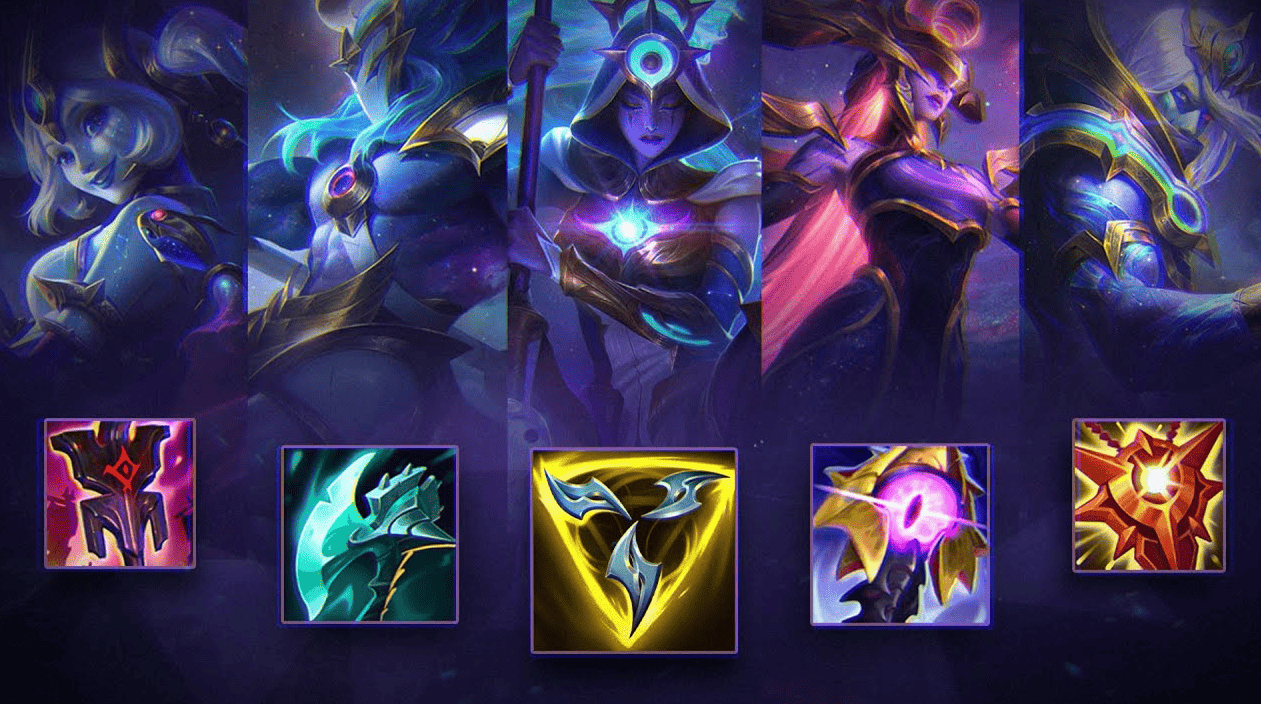
Item choices for a jungler are always determined by the characteristics of your champion and the enemy team composition. Aggressive junglers focus on increasing damage output, while tanks choose defensive items to improve their survivability. Junglers can use a wide variety of items, so listing them all isn’t worth it. The key is to target one jungler item and choose the remaining items based on the hero’s role in the game.
Spells
Because it enables them to obtain the highly valuable Hunter’s Machete artifact, Junglers instantly accept the Smite spell. Due to its versatility, flash is frequently used as a second spell. To assist their allies in combat, players can, however, occasionally use Teleport, which enables rapid movement to a designated location on the map. Some junglers choose to take Ignite or Exhaust for a more physical playstyle, which aids in communicating with teammates during ganks or duels with the battling jungler.
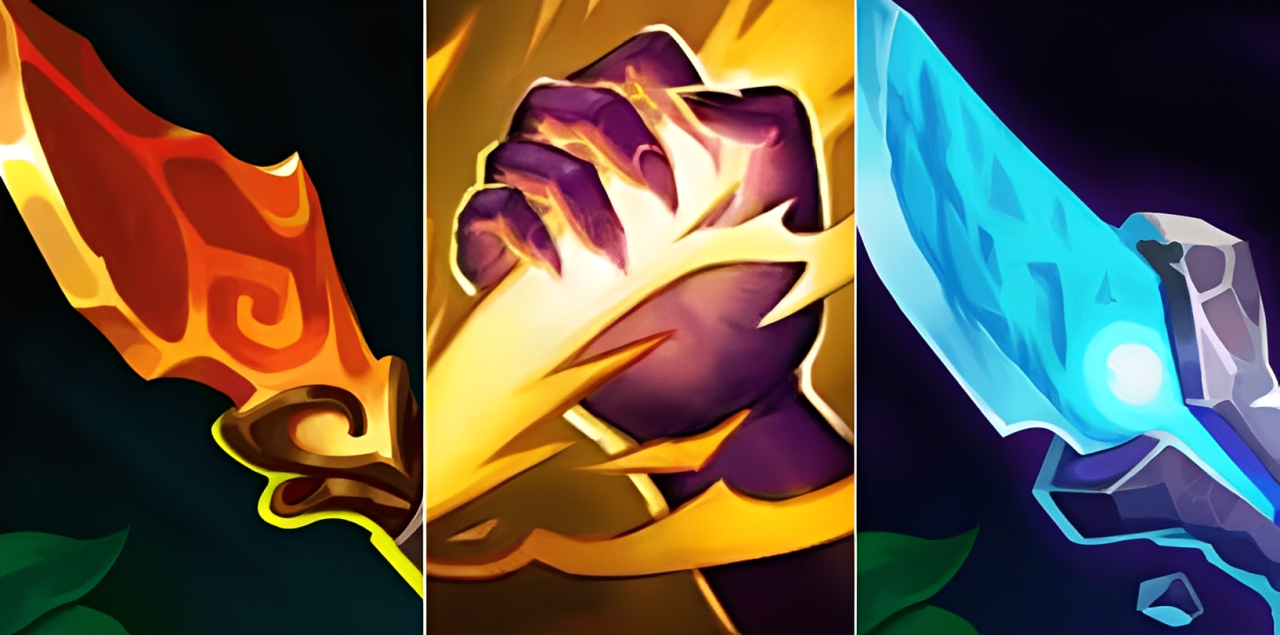
How to play TOP (solo top laner)
The top lane is somewhat similar to the mid lane, but has its own characteristics and outcome variations. It typically features champions with good health and strong melee attacks. However, unlike the mid lane, it’s much harder to avoid junglers in the top lane, making the game more challenging. Understanding the vulnerability of top lane champions, junglers often choose it as a priority target for ganks. Champions in the top lane vary widely in roles and abilities: they include strong mages, tanks, marksmen, and heroes with powerful initiation abilities.
A top laner can mostly rely solely on the support of their jungler, as support from allies in other lanes is extremely rare (usually only from the mid lane). This is not simply a lane for solo play, but a place where the player’s experience and personal skill become decisive factors. It’s also worth remembering that wards in the top lane are purchased solely for personal safety, and support from the bottom lane should not be expected.
Success in the top lane largely depends on your farming skills and ability to effectively counter your opponent. Since most top lane champions are melee heroes, you’ll be regularly involved in teamfights. Even the farming process itself will differ from that of the AD Carry in the bottom lane. The top laner typically begins to rotate later than their allies, and your goal is to at least destroy the first tower in the lane before rushing to help your team.
As mentioned, a solo top laner is closely tied to the actions of both the enemy and allied junglers. Constantly monitor the minimap and react quickly to junglers. It’s helpful to have some jungler experience, as it will help you better understand your opponent’s movements and predict their location.
As the late game approaches, you need to become one unit and, with your team, begin hunting down opponents, playing the role assigned to your champion. For example, if you’re the initiator of battles, it’s important to choose the right moment and engage first, absorbing the brunt of the damage. If you’re a tank, you need to be on the front lines, protecting your allies and maintaining control of the situation.
Top players need to understand their hero’s abilities, often better than other players. They need to clearly understand how much damage a hero can withstand, when to use defensive abilities, and when there’s a chance to neutralize a target. For tanks, the ability to effectively initiate combat and find new positions is paramount.
From the very beginning of the game, an enemy jungler or mid laner may appear in the top lane, and it’s important to be able to farm effectively even in dangerous situations.
Jax
Jax is the seventh most popular champion in League of Legends. When combining picks and bans, Jax confidently ranks first, being picked or banned in 40% of matches.
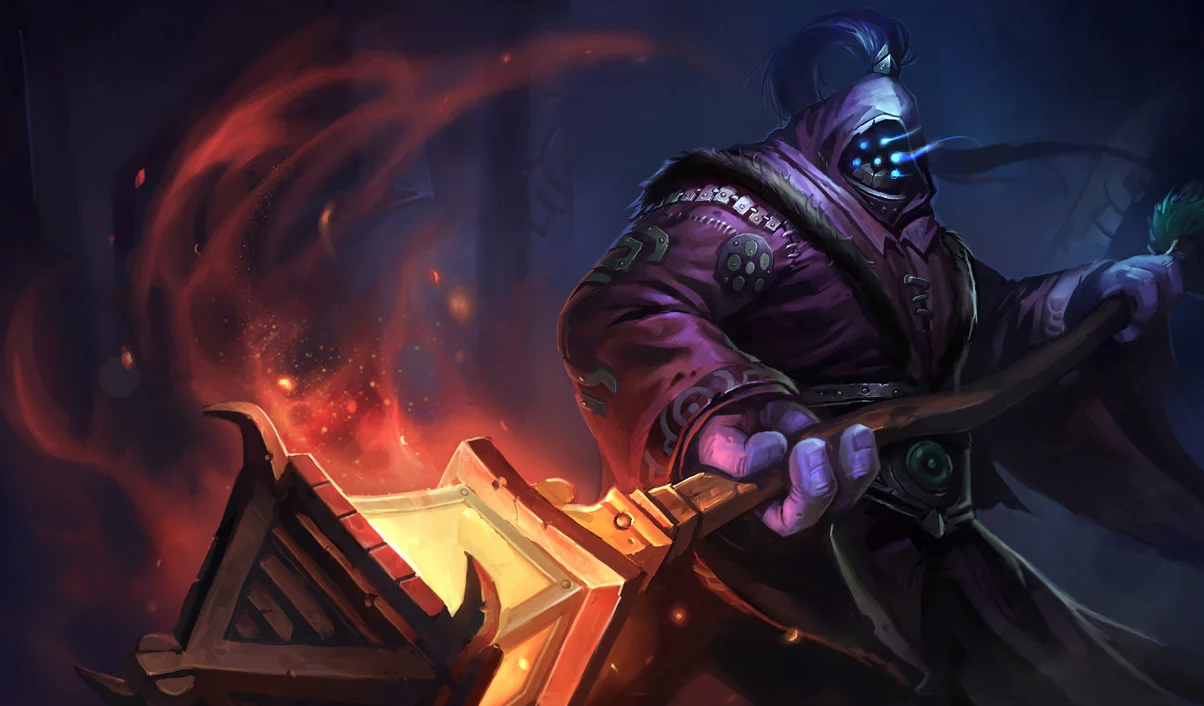
Jax is a melee master who leaps at an enemy and stuns them. His damage increases with each attack. His Counter Strike ability allows Jax to dodge attacks and counter enemies, making him extremely dangerous.
Aatrox
Aatrox is a classic LoL top-tier champion, whose attacks become increasingly more powerful, proportional to his maximum health. Aatrox also regenerates health when attacking, giving him long-term survivability.
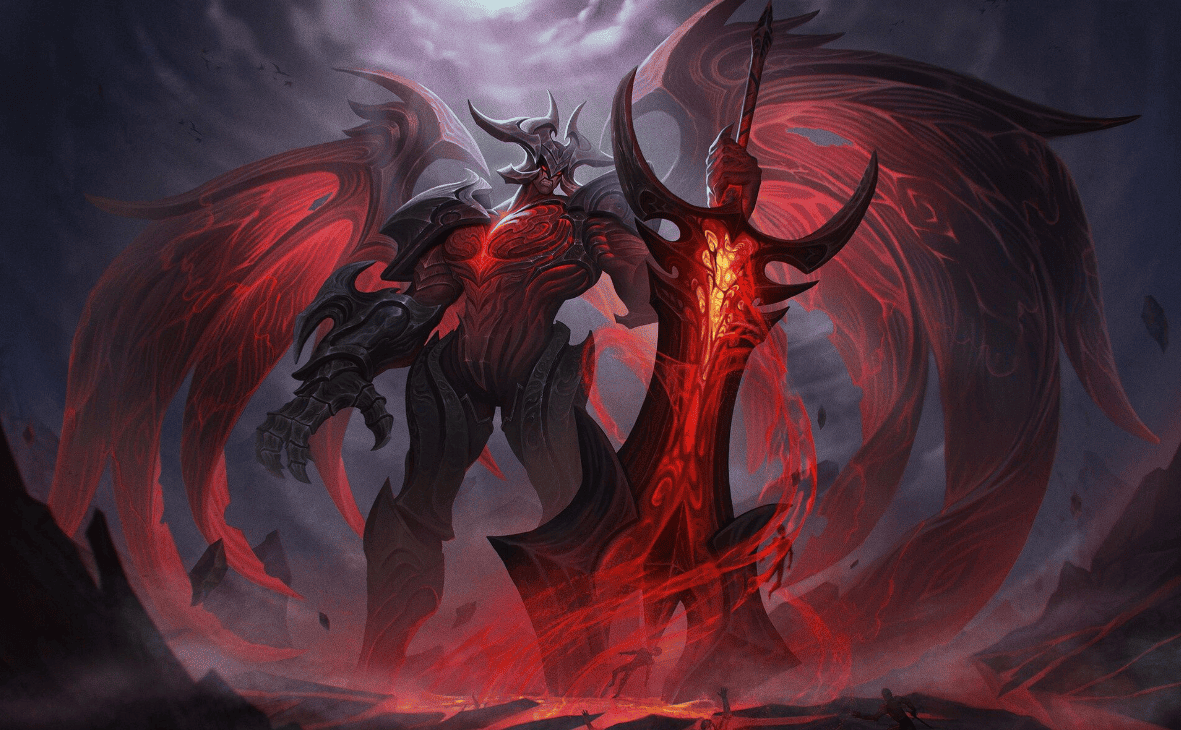
Aatrox is one of the most popular tanks in LoL, with a 51.1% win rate.
Trundle
Trundle, known as the King of the Mountain Trolls, has the ability to steal health and stats from enemies. His health regenerates when a nearby enemy, including minions, dies. Trundle can also steal attack damage and armor from his opponents.
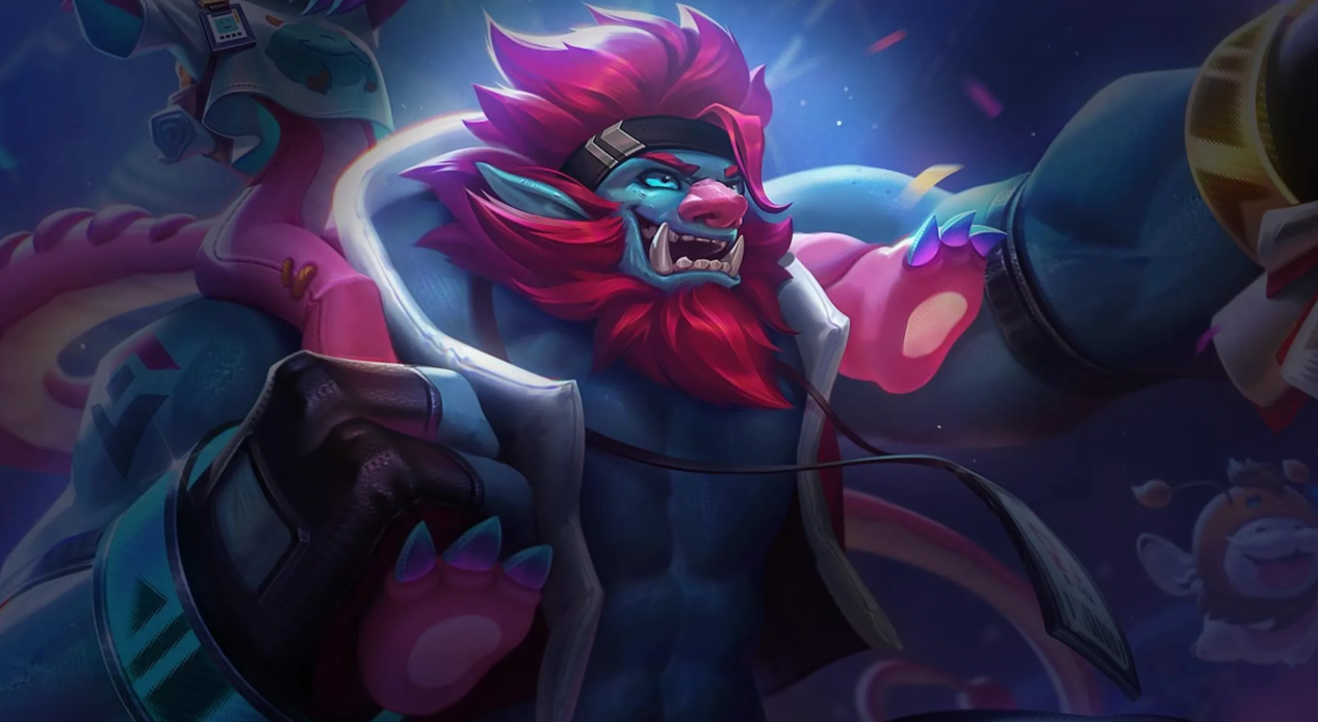
This champion is the fifth most popular tank champion and the fourth most successful, with a 52.3% win rate.
Artifacts for Top Lane Champions
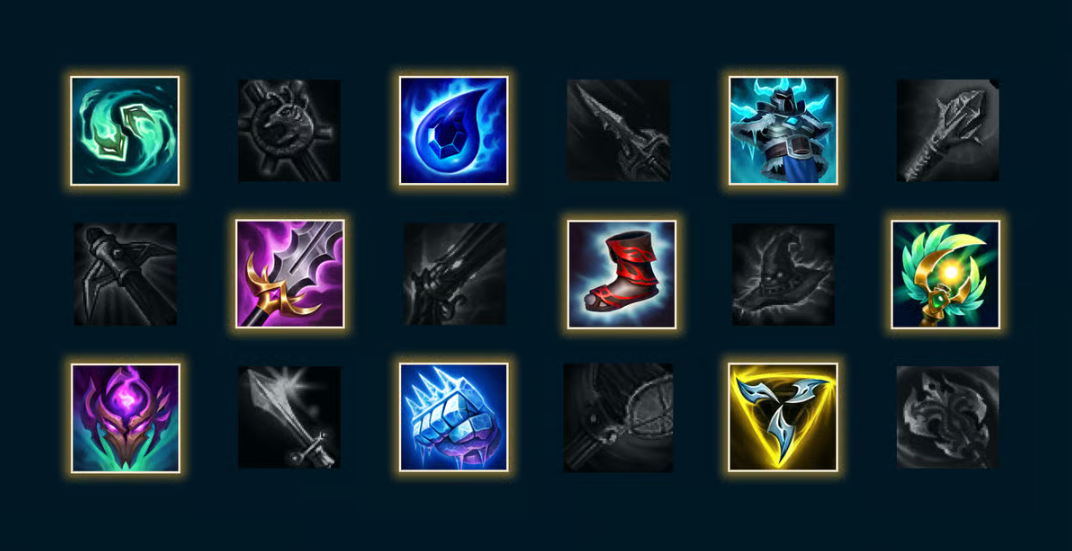
The top lane features a wide variety of champions, from mages to melee and ranged fighters. Because of this diversity, artifacts for top laners vary widely. There are no universal or specific items that are suitable for everyone. However, to make your choice easier, we recommend consulting champion guides for optimal item orders.
Spells
A common spell for top laners, across all views and variations, is Flash. It helps you quickly retreat to your tower if you’re being engaged by an enemy jungler or catch a fleeing target. But Teleport deserves special attention. This spell allows you to instantly relocate, for example, to the bottom lane to help your allies in a difficult situation. Teleport gives you a chance to return to your lane after purchasing items, without wasting valuable time, which can be spent farming and gaining experience. Teleportation is used heavily in the early stages to maintain momentum and keep up with your opponents statistically.
How to play MID (solo mid laner)
The midlane can often be taken over by mages, in contrast to the top lane. The primary distinction is that you can reach your tower in the mid-lane much more quickly, which gives you an advantage if the enemy jungler ganks you. Being in the middle lane represents a lot of responsibility. You must monitor the opposing lane extremely closely and respond promptly to events occurring in other lanes. Sometimes, even if it involves stepping out of your lane, it’s worth it to support your allies when the conditions demand it. For instance, you might say if it won’t have a major effect on your farm, it might be worthwhile to temporarily leave your lane and contribute your teammates if your jungler had successfully ganks the bottom lane and they begin killing the Dragon. Mid-lane drivers have a unique responsibility associated with their ability to relocate lanes quickly.
Up until level 6, mid lane is generally pretty straightforward—players farm and prevent the enemy from doing the same. Some champions start strong and can easily wrangle the first half of the game, while others need a little time and the right items to reach their full potential. Basically, no champion will dominate from the start. Each has their strengths and weaknesses. It all depends on how well you understand your champion’s abilities. If you know how to exploit them, you can maximize their potential and influence the game. If not, you’ll just stand there and complain that your champion can’t do anything.
Most mid lane heroes are mages, but there are also a few champions with physical damage who are excellent at countering mages. It’s with this balance in mind that I want to share my top picks for mid laners.
Heroes with high damage potential, such as assassins or mages, are often chosen for the mid lane position. These characters are capable of quickly dealing significant damage with their abilities, allowing them to effectively destroy opponents in short periods of time.
The mid laner is a key role in the early and mid stages of the game. They must be able to accurately calculate damage output and use their abilities correctly. They also always know when to actively push a lane or switch to other positions, such as bot or top.
Hwei
Hwei was created by Riot in late 2023 and currently has the lowest win rate among League champions at 45%. However, this is not due to the hero not fitting the current meta. Hwei’s gameplay is significantly different from other heroes, and his mechanics are reminiscent of Invoker from Dota 2. Hwei uses a system of skill combos to create unique spells.
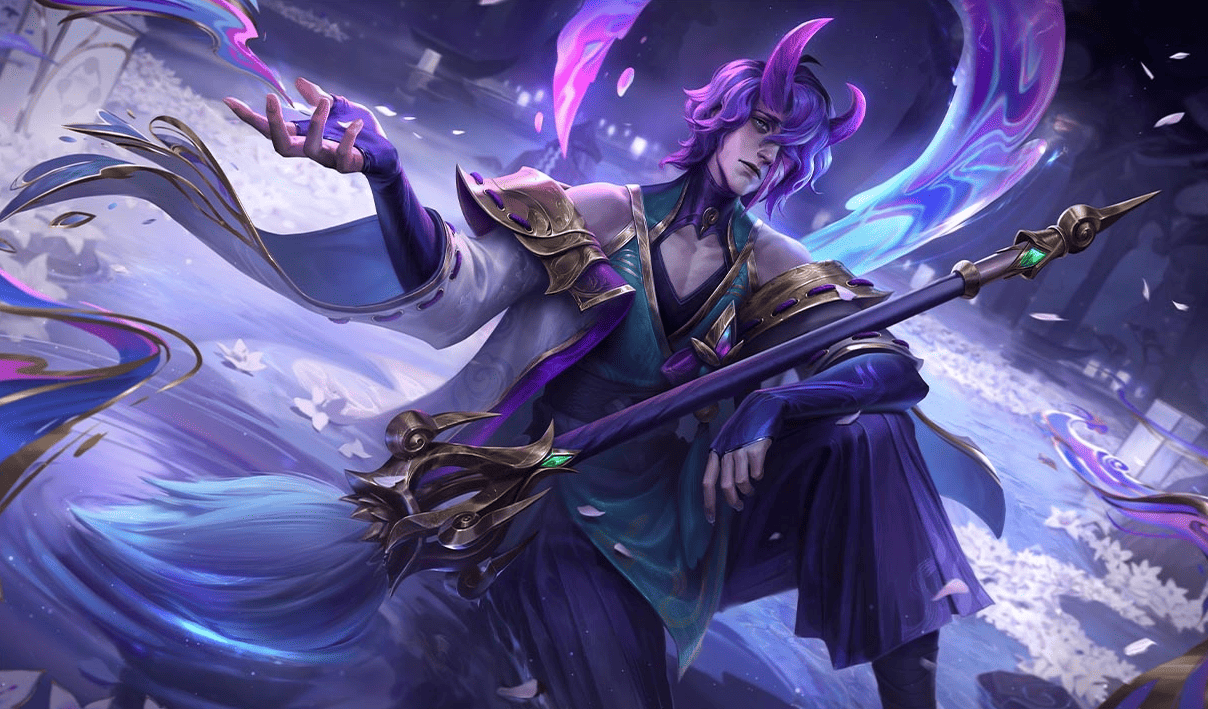
Hwei has made it into the top 20 most popular champions in League, primarily due to his newness. However, with the release of the new hero at the end of January 2024, Hwei’s popularity is likely to decline.
Yasuo
Yasuo is a distinguishing warrior class mid-laner. His passive ability gives enemies a shield and increases critical damage. Yasuo can lift enemies into the air with his wind blasts and inflict damage on multiple targets.
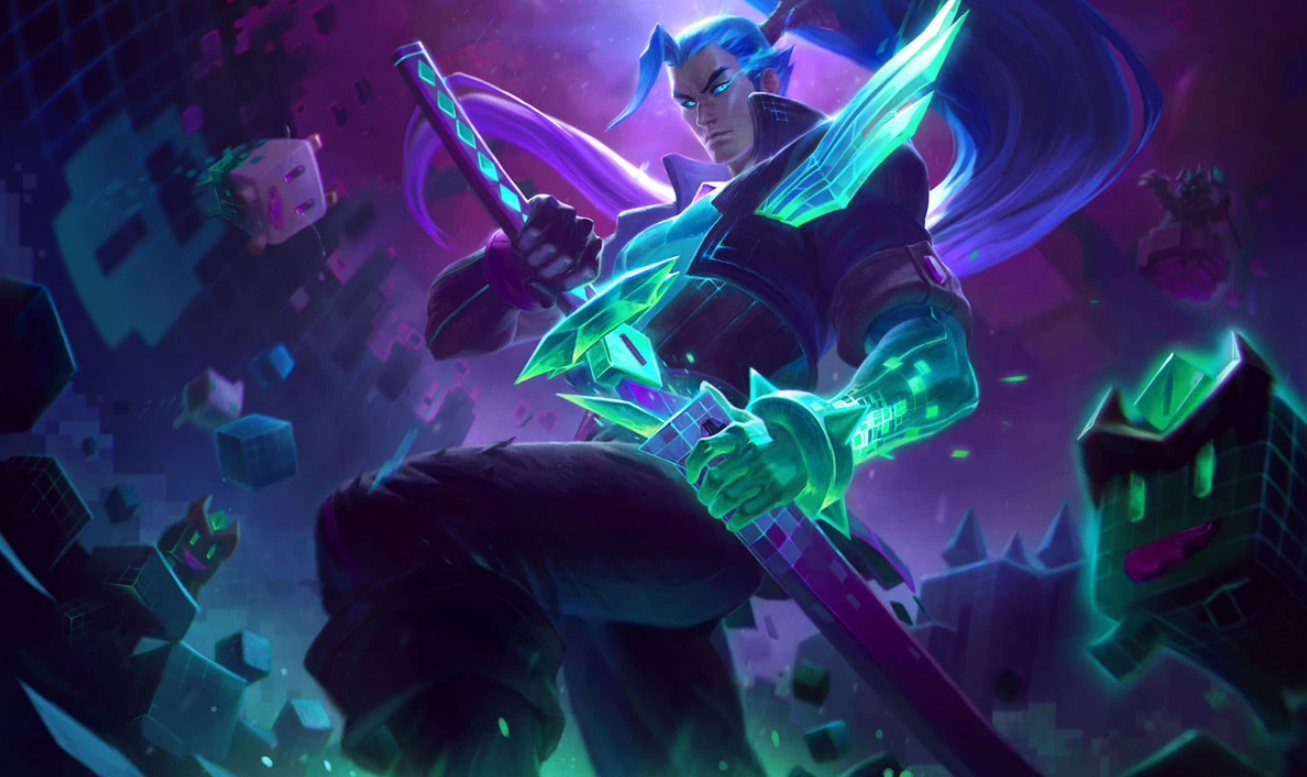
Yasuo is well-liked by players due to his unconventional gameplay in not to mention his visually appealing appearance. For a champion with a high level of mechanical complexity and widespread popularity, his win rate of 49% is considered acceptable.
Syndra
Dark orbs are critical for Syndra’s capacities as a champion. She creates an orb that damages enemies nearby when it explodes after a few seconds. Additionally, Syndra has the ability to knock adversaries away from her or toss the orb at them. Enemies suffer severe damage when the orbs strike their target.
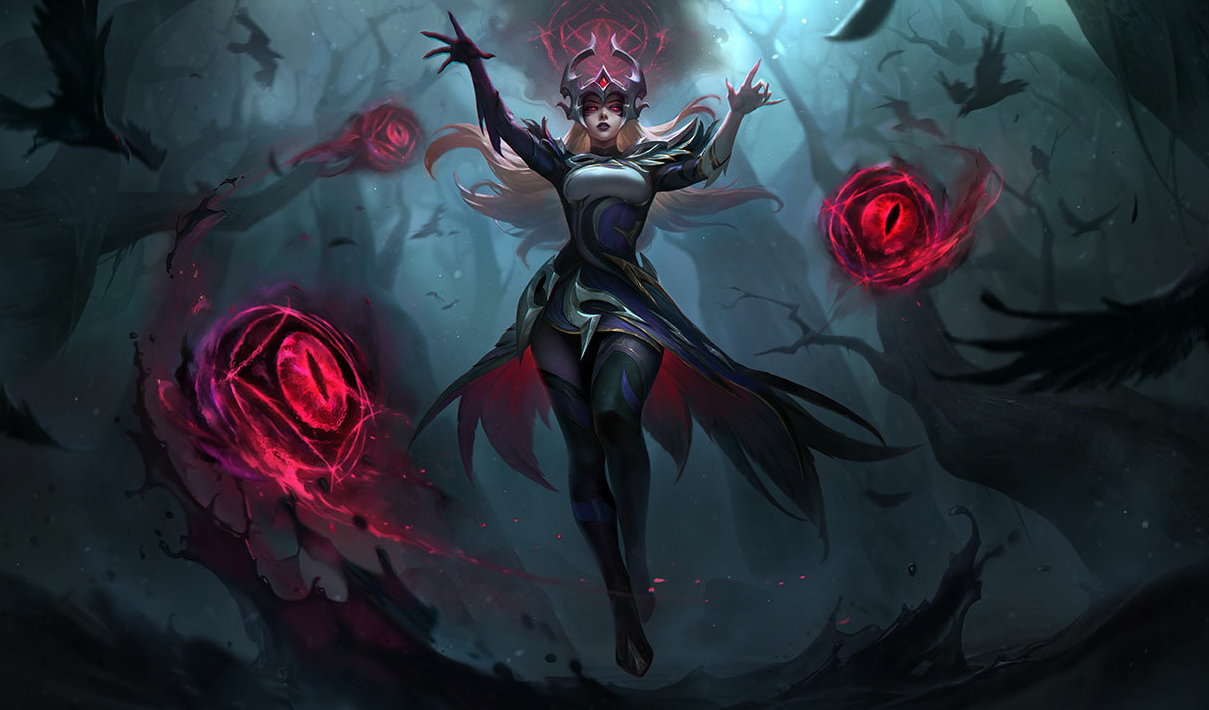
Although her mechanics are not easy for novice players to understand, Syndra is the tenth most popular mid-hero. Syndra requirements a high level of skill to play well, as measured by her 48.6% win rate.
Artifacts for Mid Lane Champions (MID)
Mages occupy the mid lane, so this article will focus on the artifacts that best suit them. Early game, your choice of artifact depends on the opponent you’re facing. In most cases, Doran’s Ring will be your starting item. However, if you’re facing a champion who can apply significant early pressure and deal a lot of damage, it might make sense to swap the ring for Corrupting Potion. When facing champions who deal physical damage, Cloth Armor is the most effective option, as it fundamentally increases your physical defense. Of course, these aren’t all the options, and in some situations, items like Boots of Speed or Amplifying Tome can be useful. In general, early game mages often choose items that increase their magical power and provide mana regeneration.
Here’s a list of the most popular and effective items for mid lane champions:
-
Luden’s Echo
-
Liandry’s Torment
-
Rod of Ages
-
Hextech Gunblade
-
Spellbinder
-
Hextech GLP-800
-
Hextech Protobelt-01
For increased survivability, you can choose the following items:
-
Adaptive Helm
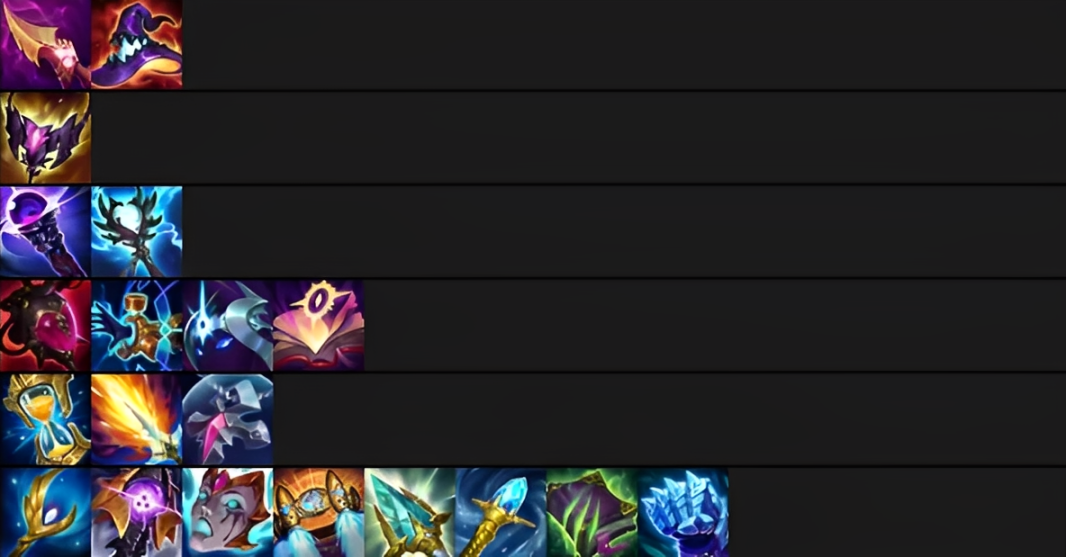
Regarding boots, mid lane mages most often choose Sorcerer’s Shoes. However, if you lack defense, Mercury’s Treads is a good option.
Spells
Mages in the game have a limited health pool, which impacts their survivability. Because of this, the most common spell among mages is Flash, which allows them to quickly move and escape danger. Ignite is the most common second spell. This fire spell significantly increases your damage over a short period of time and is often helpful in finishing off an enemy trying to escape.
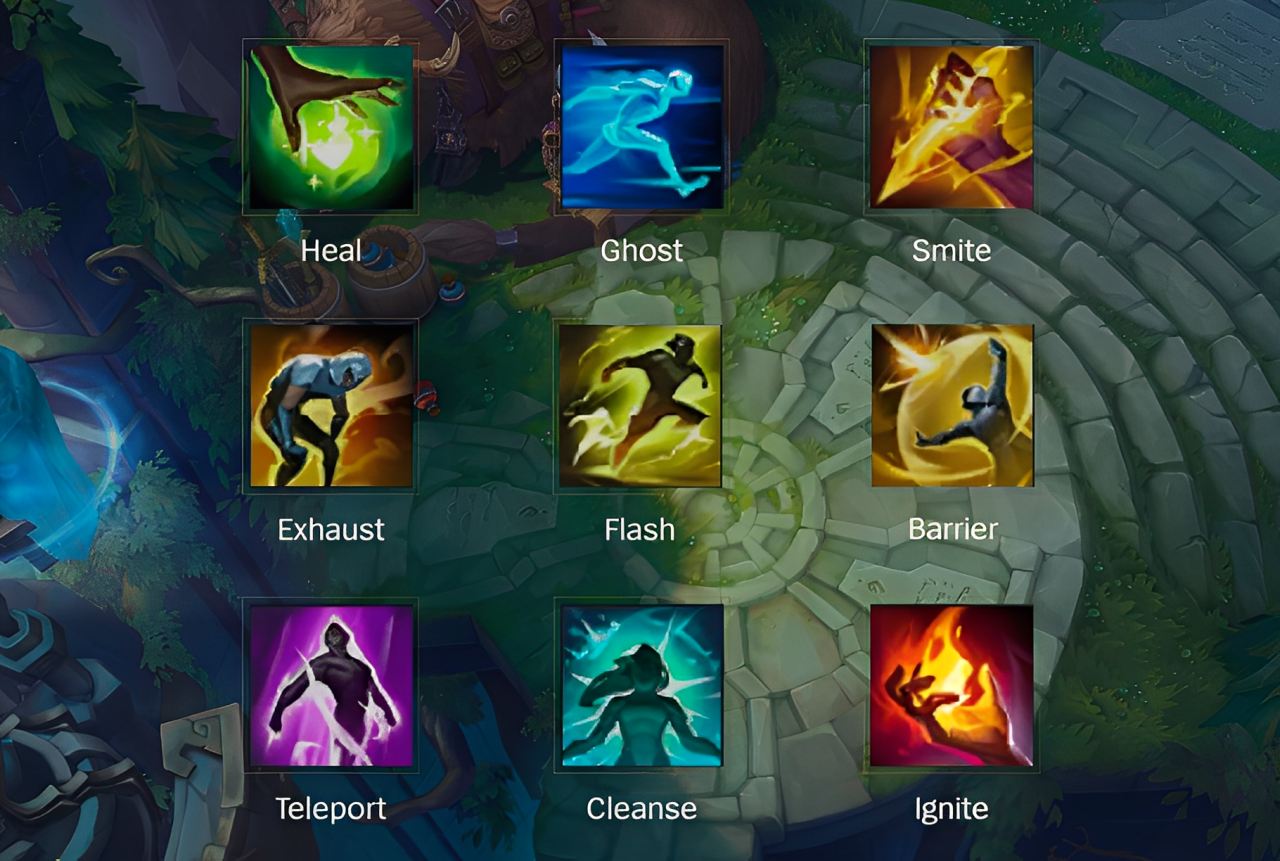
If survival issues become too pressing and you’ve already taken a significant amount of damage, Barrier is an excellent choice, protecting you and extending your life in the most critical situations. Of course, other spells can also be useful depending on the situation.
Updates:
-
April 23, 2016 — Several bugs were fixed and non-existent artifacts were removed.
-
2024 — Game mechanics were changed, improving the effects on mages.
-
September 25, 2025 — Guide updated to reflect the latest changes and updates.
Conclusion
The developers present five roles in League of Legends. Players occupy a position and perform individual tasks within it, but LoL is a team game. Completing a role’s task does not guarantee victory in a match.